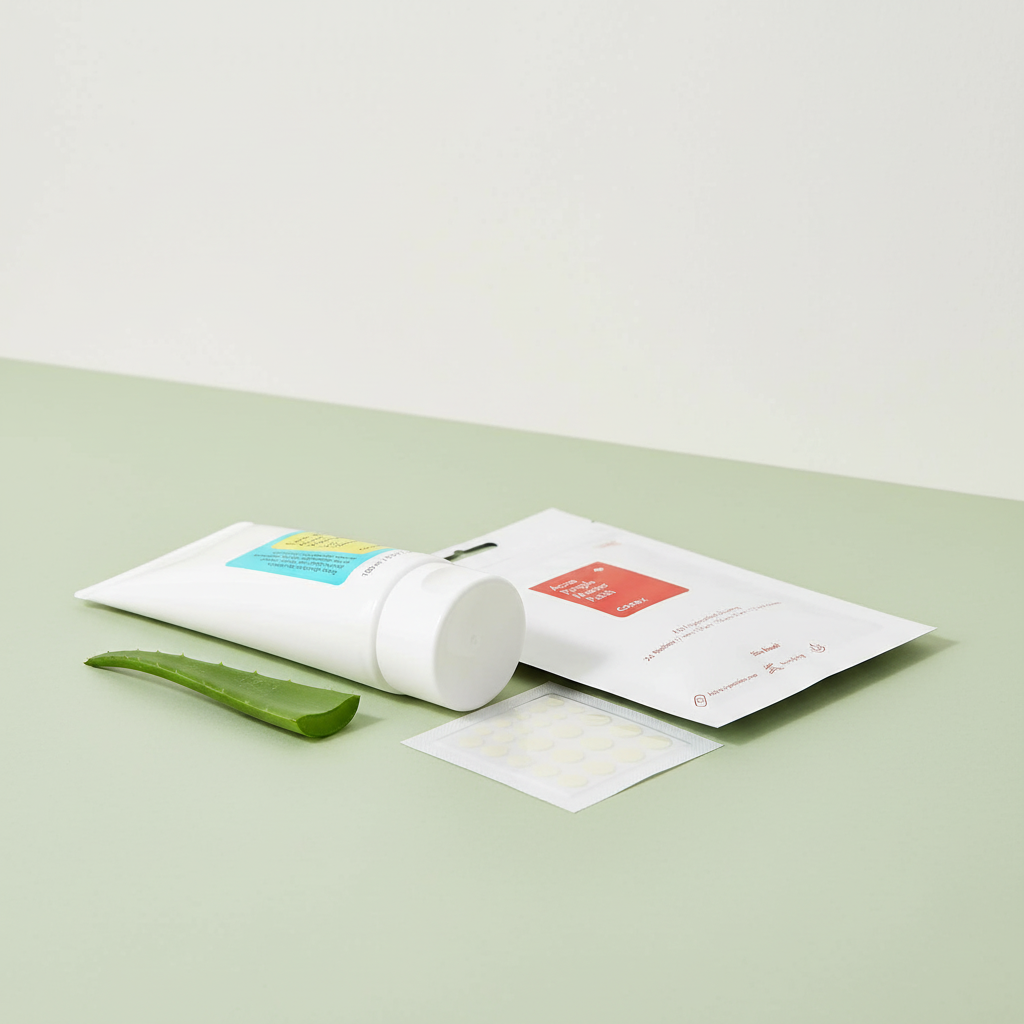
Best K-Beauty Products for Acne
A complete Korean skincare routine for acne-prone skin. The best K-beauty products, key ingredients to look for, and common triggers to avoid.
 The Rooted Glow Team
 When you have acne-prone skin, every new product feels like a gamble. Will this help? Will it break me out? Is that new bump from the product or just Tuesday?
We get it. Two of our team members have dealt with persistent acne for years, cycling through Western dermatology recommendations (benzoyl peroxide, tretinoin, Accutane consultations) before discovering that Korean skincare offered a fundamentally different approach.
The Korean philosophy for acne isn’t “nuke everything and strip the oil.” It’s “calm the inflammation, hydrate the skin, strengthen the barrier, and let the skin heal itself.” That shift in thinking changed everything for us.
Here’s the complete K-beauty approach to acne-prone skin, with specific product recommendations for every step.
Why K-Beauty Works for Acne
Western acne treatment tends to be aggressive. Strong actives, drying formulas, prescriptions that thin the skin. These can work, but they often create a cycle: the treatment dries out the skin, the skin overproduces oil to compensate, more breakouts follow, stronger treatment is applied.
Korean skincare breaks that cycle by:
Prioritizing hydration. Dehydrated skin (even oily skin) overproduces sebum. Proper hydration actually reduces oil production. This was counterintuitive for us, but the science supports it, and our skin confirmed it.
Using gentler formulations. Instead of 10% benzoyl peroxide, K-beauty uses lower concentrations of multiple gentle actives that work synergistically. Less irritation, fewer side effects, comparable results over time.
Supporting the moisture barrier. A healthy moisture barrier keeps bacteria out and hydration in. Many Western acne treatments damage this barrier. K-beauty protects it.
Targeting inflammation, not just bacteria. Acne is fundamentally an inflammatory condition. Products that reduce inflammation often do more than products that just kill bacteria.
The Acne-Friendly K-Beauty Routine
Step 1: Oil Cleanser
Yes, oil cleanser. Even for acne-prone skin. Even for oily skin.
Oil dissolves oil. An oil cleanser removes excess sebum, sunscreen, and pore-clogging impurities more effectively than a foaming cleanser alone. The key is choosing a non-comedogenic oil cleanser that emulsifies and rinses clean.
Our pick. Banila Co Clean It Zero Cleansing Balm (Purifying edition, in the green tub). Formulated for oily and acne-prone skin. Contains centella and tea tree. Emulsifies completely, leaves no residue.
How to use. Apply to dry skin, massage 60 seconds, add water to emulsify, rinse. For the full technique, see our guide on double cleansing.
Step 2: Water-Based Cleanser
The second cleanse removes water-soluble debris and any oil cleanser residue. For acne-prone skin, you want something that cleans thoroughly without stripping.
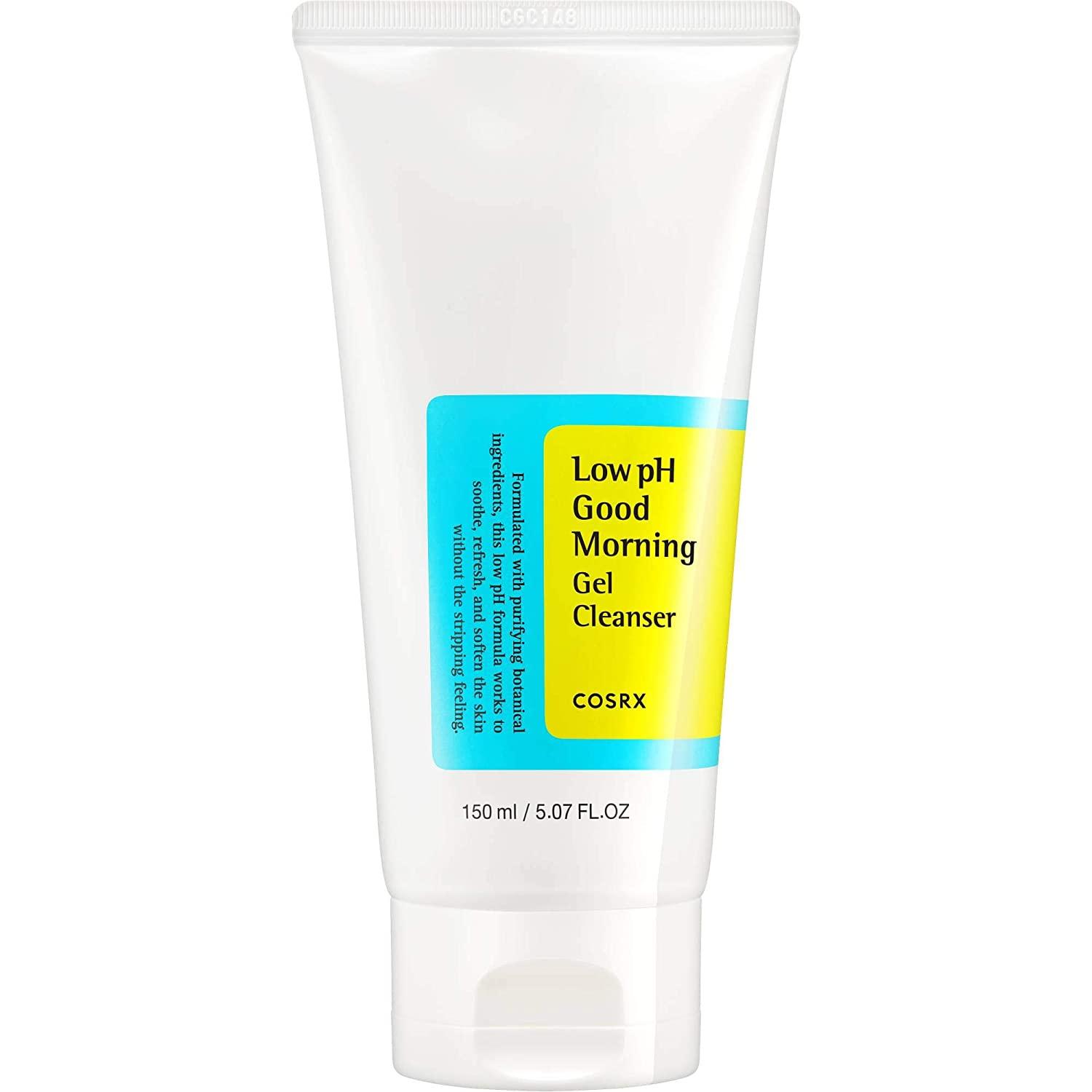
Our pick. COSRX Low pH Good Morning Gel Cleanser. Tea tree oil for mild antibacterial activity, BHA for very gentle pore care, and a pH of 5.0 to 5.5 that matches your skin’s acid mantle.
We also tested the Abib Acne Foam Cleanser Heartleaf, which is formulated specifically for acne-prone skin. The heartleaf extract adds a soothing quality that helps reduce redness during cleansing.
Why pH matters for acne. Your skin’s natural pH is around 5.5. High-pH cleansers (most bar soaps are pH 9 to 10) disrupt the acid mantle, which is your skin’s first defense against acne-causing bacteria. A low-pH cleanser preserves that defense.
Step 3: BHA Exfoliant (2 to 3 times per week)
BHA (beta hydroxy acid, usually salicylic acid or betaine salicylate) is oil-soluble, meaning it penetrates into pores and dissolves the sebum and dead skin cells that cause blockages.
This is the single most impactful treatment step for acne.
Our pick. COSRX BHA Blackhead Power Liquid. Uses betaine salicylate at 4%, which is gentler than direct salicylic acid but still effective. Willow bark water adds extra soothing properties.
How to use. After cleansing, apply a thin layer to affected areas. Wait 15 to 20 minutes before continuing your routine (this allows the BHA to work at the correct pH). Start with once per week and build up to 2 to 3 times.
Step 4: Hydrating Toner
This step replenishes moisture after cleansing and creates a hydrated base for everything that follows. For acne skin, look for toners with soothing, non-comedogenic ingredients.
Our pick. Klairs Supple Preparation Unscented Toner. Hyaluronic acid and beta-glucan for hydration. Centella asiatica for calming. Fragrance-free (important for reactive, acne-prone skin). If you want something with heartleaf for extra soothing, the Abib Heartleaf Calming Toner is a solid alternative that our acne-prone tester now uses daily.
How to use. Pat 2 to 3 layers into your skin with your palms. Don’t use a cotton pad. Let each layer absorb before adding the next.
Step 5: Treatment Serum
This is where you target acne directly with concentrated actives.
For active breakouts. SOME BY MI AHA BHA PHA 30 Days Miracle Serum. Triple-acid formula with tea tree oil and niacinamide. Addresses existing breakouts while preventing new ones. We’ve also been reaching for the AESTURA Theracne 365 Active Serum, which takes a targeted approach to inflammatory acne with a formula that calms as it treats.
For post-acne marks (hyperpigmentation). Beauty of Joseon Glow Serum (Propolis + Niacinamide). Propolis is anti-inflammatory and antibacterial. Niacinamide fades dark spots and regulates sebum.
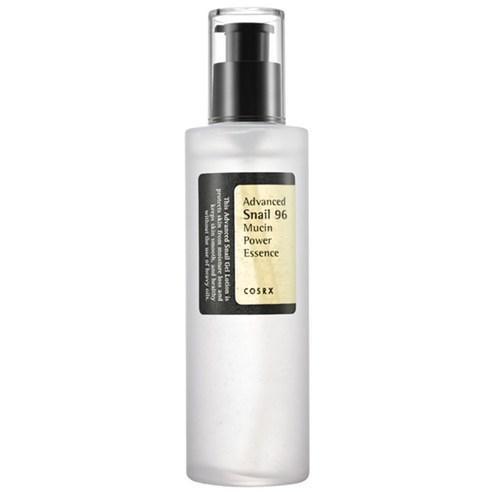
For general maintenance. COSRX Advanced Snail 96 Mucin Power Essence. The anti-inflammatory and healing properties of snail mucin are especially helpful for acne-prone skin. It calms redness and speeds healing of blemishes without adding oil.
Step 6: Lightweight Moisturizer
Skipping moisturizer because your skin is oily is the biggest mistake we see in acne routines. Dehydrated skin triggers more oil production, which triggers more breakouts. Moisturizer breaks that cycle.
The key: choose a gel or gel-cream that hydrates without heaviness.
Our pick. COSRX Oil-Free Ultra Moisturizing Lotion (with Birch Sap). Lightweight, absorbs fast, doesn’t clog pores. The birch sap adds vitamins and minerals without oiliness.
Alternative. Purito Deep Sea Pure Water Cream. A water-based gel cream that feels like almost nothing on the skin but delivers real hydration.
Step 7: Spot Treatment (as needed)
For individual pimples that need targeted attention.
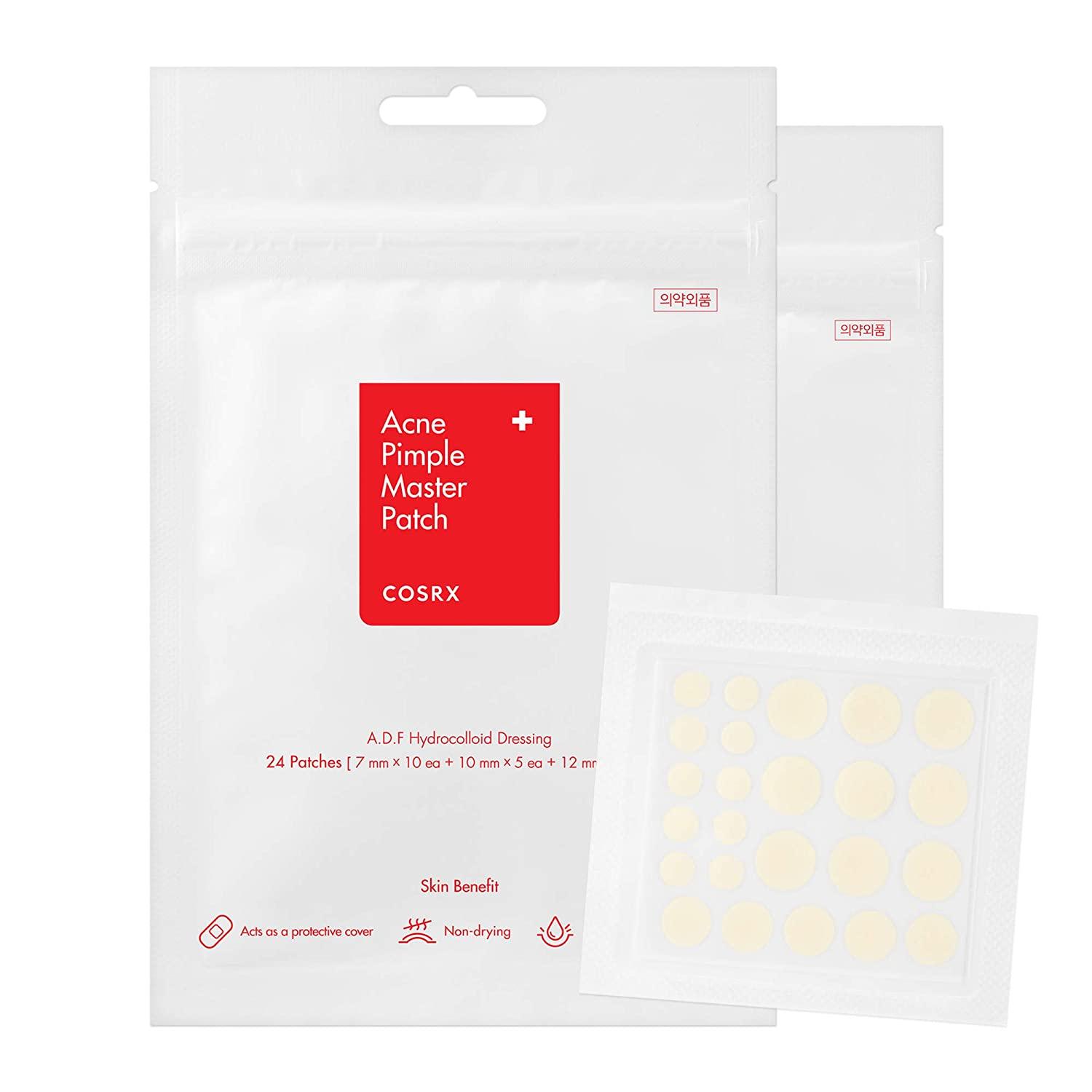
Our pick. COSRX Acne Pimple Master Patch. Hydrocolloid patches that you stick over a pimple before bed. They absorb pus and fluid overnight, protect the blemish from picking (crucial), and create an optimal healing environment.
These patches are probably the single most popular K-beauty acne product worldwide. They work. Every member of our team keeps a pack in their nightstand.
For deeper, cystic-type breakouts. COSRX Clear Fit Master Patch (thinner, more discreet, designed for deeper blemishes).
Ingredients to Look For
When shopping for K-beauty acne products, these ingredients have the strongest evidence:
- Salicylic acid / betaine salicylate (BHA). pore-clearing, anti-inflammatory
- Niacinamide. sebum regulation, pore appearance, fades post-acne marks
- Tea tree oil. antibacterial, anti-inflammatory (look for 1 to 5% concentration)
- Centella asiatica (cica). soothes inflammation, supports healing
- Propolis. antibacterial, anti-inflammatory, supports moisture barrier
- Snail mucin. healing, hydrating, anti-inflammatory
- Madecassoside. an active compound from centella, targets inflammation specifically
- Green tea extract. antioxidant, reduces sebum production
Ingredients to Avoid
If your skin is acne-prone, be cautious with:
- Heavy silicones (dimethicone in large amounts). can trap sebum and bacteria under an occlusive layer
- Coconut oil / coconut derivatives (high on ingredient list). highly comedogenic for many people
- Fragrance / parfum. can irritate inflamed skin and worsen breakouts
- Alcohol denat (high on ingredient list). temporarily reduces oiliness but damages the moisture barrier long-term
- Isopropyl myristate. a known comedogenic ingredient still found in some formulas
Common Mistakes with Acne and K-Beauty
Over-exfoliating. Using BHA, AHA, and vitamin C every night will destroy your moisture barrier. Start slow. One active at a time.
Skipping sunscreen. BHA and other actives make your skin more photosensitive. Sun exposure on unprotected, active-treated skin can worsen hyperpigmentation. Korean sunscreens are excellent for this. We have a guide on why Korean sunscreen is different.
Introducing too many products at once. If you add five new products in one week and break out, you have no idea which one caused it. Add one new product every 2 weeks. Observe. Then add the next.
Picking. We know. It’s tempting. But picking turns a 3-day pimple into a 3-week dark mark. Use pimple patches instead. They physically prevent picking while healing the blemish.
A Sample Weekly Schedule
Every evening. Oil cleanse, water cleanse, hydrating toner, snail mucin, lightweight moisturizer, pimple patches as needed.
Monday and Thursday. Add BHA exfoliant after cleansing (wait 15 to 20 minutes before toner).
Tuesday and Friday. Use niacinamide serum (Beauty of Joseon) in the serum step.
Wednesday. Sheet mask (look for centella or tea tree formulas).
Weekend. Keep it simple. Cleanse, hydrate, moisturize. Let your skin rest.
The Timeline for Improvement
Based on our experience and what the research supports:
Week 1 to 2. Possible purging if you’re using BHA for the first time (small breakouts as pores clear). This is normal and subsides.
Week 3 to 4. Skin feels more hydrated and less oily. New breakouts may start reducing in frequency.
Week 5 to 8. Noticeable improvement in overall skin clarity. Post-acne marks begin fading.
Month 3. Significant difference. Most people’s skin stabilizes with fewer and less severe breakouts.
Patience is non-negotiable. K-beauty is a long game, and for acne, it’s the right approach.
For the full evening routine context, see our K-beauty night routine guide.
Keep Reading
My Complete AM Wellness Routine
The exact morning routine our team follows. from waking up to walking out the door. skincare, movement, nutrition, and the small habits that set the tone.
Double Cleansing: Why and How
The Korean skincare technique that changed how we wash our faces. what it is, why it works, and how to do it without overcomplicating things.

Why Korean Sunscreen Is Different
What makes Korean sunscreens better than most Western options. The formulation differences, the texture revolution, and why it matters.
Stay Rooted
Weekly reads on whole-food nutrition, movement, and the K-Beauty routines we actually use. No spam, no fluff. just things worth reading.