Best Probiotics for Women: Gut and Vaginal Health
Strain-specific guide to the best probiotics for women. Real products compared by the strains they list and what research has looked at. What CFU count actually matters.

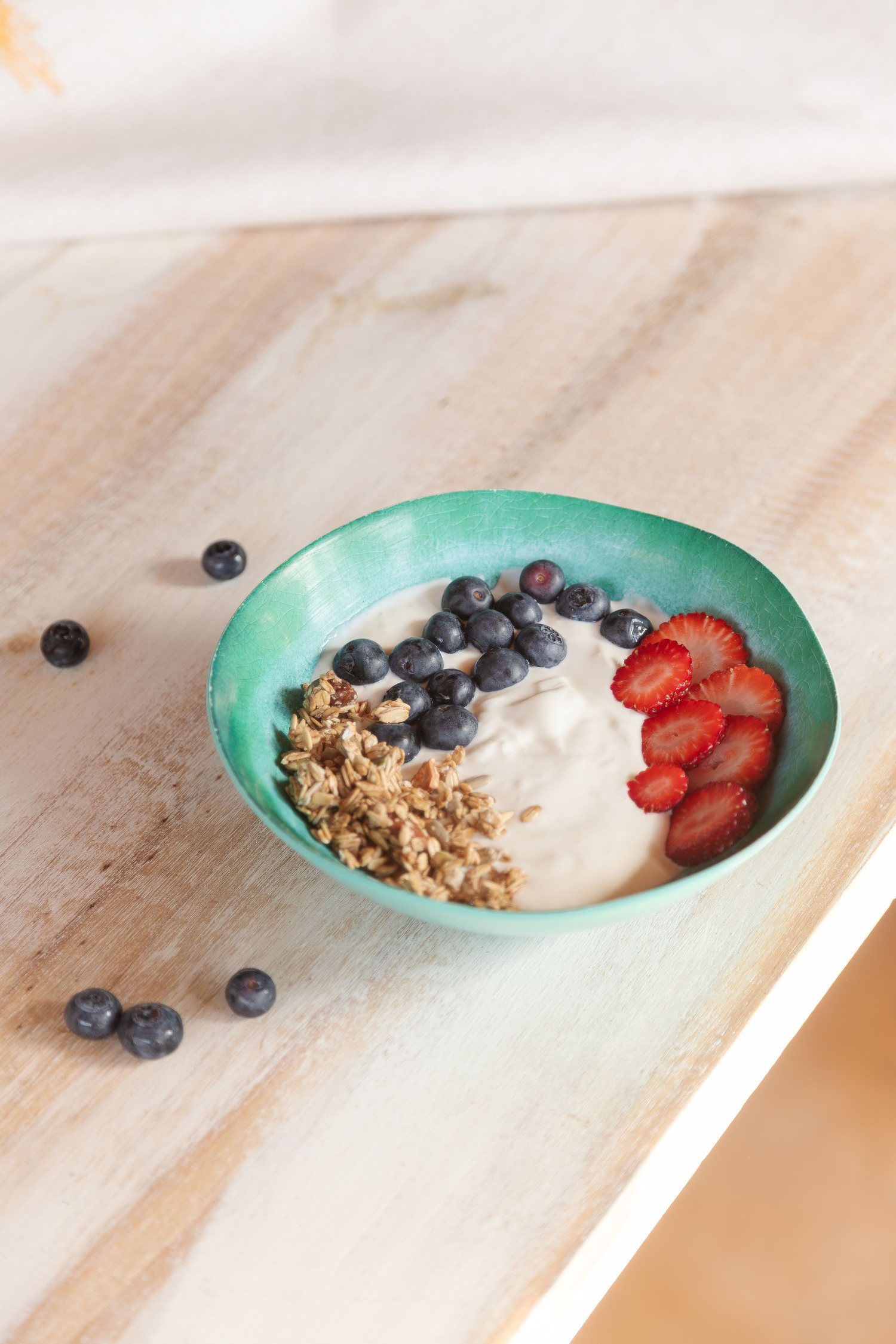
Photo: Sofia Nunez / Pexels. Contextual stock photograph, not a product test or endorsement. License.
The probiotic market is overwhelming. Billions of CFUs, dozens of strains, endless marketing claims. But here’s what matters: specific strains do specific things, and more CFUs is not automatically better. This guide cuts through the noise with strain-level detail and real products that have clinical evidence behind them.
Quick Comparison
| Product | CFU Count | Key Strains | Label focus | Price |
|---|---|---|---|---|
| Seed DS-01 | 53.6 B | 24-strain consortium | Gut (multi-strain) | $50/mo |
| Garden of Life Women’s | 50 B | L. reuteri, L. fermentum | Gut + vaginal flora | $40 / 30 caps |
| Ritual Synbiotic+ | 11 B | LGG, BB-12 | Gut | $36/mo |
| Culturelle Women’s | 15 B | LGG + L. crispatus | Gut + vaginal flora | $28 / 30 caps |
| Renew Life Women’s Care | 25 B | 12 strains | Gut (multi-strain) | $25 / 30 caps |
| NOW Foods Women’s | 20 B | L. rhamnosus + acidophilus | Gut | $18 / 50 caps |
“Label focus” reflects what each brand markets the product for, not a rating or a result we measured. Prices are approximate and change.
What CFU Count Actually Means
CFU (colony forming units) measures how many live bacteria are in a dose. But here’s what the research says:
- Most clinical studies use 1–50 billion CFU. Higher isn’t inherently better.
- Strain matters more than count. Research is strain-specific, so a modest dose of a well-studied strain tells you more than a large count of strains with little published research.
- Survivability matters. If the bacteria die in stomach acid before reaching your intestines, CFU count is irrelevant. Look for enteric coating, delayed-release capsules, or acid-resistant strains.
The sweet spot for most women: 10–50 billion CFU from strains that have been studied, in a capsule designed to survive stomach acid. This is general information, not medical advice: talk to your doctor or another clinician before starting a probiotic, especially if you are pregnant, immunocompromised, or dealing with recurring UTIs, BV or ongoing gut symptoms.
Key Strains for Women’s Health
| Strain | Area studied | Notes on the evidence |
|---|---|---|
| Lactobacillus rhamnosus GG (LGG) | Gut health, IBS symptoms, some types of diarrhea | Among the most researched probiotic strains; results vary by condition |
| Lactobacillus crispatus | Vaginal flora, UTIs | Commonly dominant in a healthy vaginal microbiome; supplement evidence is still limited |
| Lactobacillus reuteri RC-14 | Vaginal health, BV | Some small trials suggest it may support vaginal Lactobacillus balance; not a treatment for BV |
| Lactobacillus rhamnosus GR-1 | Urogenital health | Studied with RC-14; some studies report oral doses reaching the vaginal tract |
| Bifidobacterium lactis BB-12 | Immune support, regularity | One of the most documented Bifidobacterium strains |
| Lactobacillus acidophilus LA-5 | General gut health, lactose digestion | Some evidence for digestive comfort |
The Best Probiotics for Women
Seed DS-01 Daily Synbiotic
Best Overall · $50/month (subscription) · 53.6 billion AFU · 24 strains · Synbiotic (pre + probiotic)
Seed is in a different class. The DS-01 uses a patented ViaCap delivery system — an outer prebiotic capsule protects an inner probiotic capsule through stomach acid. This isn’t marketing: Seed publishes strain-level clinical data and measures AFU (alive fluorescent units) rather than CFU at manufacture, meaning 53.6 billion actually reach your gut.
The 24-strain consortium is grouped by the brand into four areas: digestive health, gut barrier integrity, heart health, and skin. That grouping is the label’s framing. It is not evidence that the formula treats or clears skin, or any other condition. Includes L. rhamnosus GG, B. lactis BB-12, and L. plantarum strains with human clinical trials.
What we love:
- ViaCap double-capsule delivery, which the brand says protects against stomach acid
- 24 strains the brand says have published human research
- Measures AFU (live bacteria that arrive) not just CFU (bacteria at manufacture)
- Includes prebiotic (pomegranate extract) for synbiotic benefit
Best for: Women who want the most science-backed, premium option
Garden of Life Dr. Formulated Women’s Probiotics
Best for Vaginal Health · $40 / 30 caps · 50 billion CFU · L. reuteri + L. fermentum · USDA Organic
Specifically formulated with L. reuteri RC-14 and L. rhamnosus GR-1 — two strains that have been studied together for vaginal and urinary health. Some studies suggest they can survive oral ingestion and reach the vaginal tract, but they are not a substitute for diagnosis or treatment of a UTI or BV. Also includes a diverse gut health blend. USDA Organic and shelf-stable.
What we love:
- L. reuteri RC-14 and L. rhamnosus GR-1 — studied together for vaginal flora; not a treatment for BV or a UTI
- 50 billion CFU with 16 diverse strains
- Shelf-stable, no refrigeration needed
- USDA Organic, Non-GMO, gluten-free
Best for: Women comparing strains that have been studied for vaginal flora. Not a treatment for a UTI, BV, or another condition.
Ritual Synbiotic+
Best Subscription Model · $36/month · 11 billion CFU · LGG + BB-12 · Delayed-release capsule
Ritual takes the “less is more” approach with just two of the most researched strains in existence: L. rhamnosus GG and B. lactis BB-12. Combined with a prebiotic (PreforPro) that the brand describes as clinically studied. The delayed-release capsule is designed to survive stomach acid.
What we love:
- Two widely researched strains
- Includes the PreforPro prebiotic (brand-reported research)
- Clean, transparent formula — no fillers or unnecessary strains
- Mint-essence capsule, no bad smell
Best for: Women who want simplicity backed by deep clinical evidence
Culturelle Women’s Healthy Balance
Best for Gut + Vaginal Combo · $28 / 30 caps · 15 billion CFU · LGG + L. crispatus
Culturelle combines their flagship LGG (the world’s most studied probiotic strain) with L. crispatus — the dominant protective species in a healthy vaginal microbiome. This dual-target approach addresses both gut immunity and vaginal flora in one capsule.
What we love:
- LGG + L. crispatus covers both gut and vaginal health
- L. crispatus is the single most important species for vaginal protection
- Affordable and widely available at pharmacies
- Vegetarian capsule, no artificial ingredients
Best for: Everyday gut + vaginal health maintenance at a reasonable price
Renew Life Women’s Care 25 Billion
Best Multi-Strain · $25 / 30 caps · 25 billion CFU · 12 strains · Delayed-release
Renew Life packs 12 scientifically studied strains into a delayed-release capsule designed for full intestinal delivery. Includes Lactobacillus and Bifidobacterium strains for broad-spectrum gut support. Potency is guaranteed through expiration, not just at manufacture.
What we love:
- 12 diverse strains for broad gut microbiome support
- Delayed-release capsule for acid protection
- Potency guaranteed through expiration date
- Dairy-free, gluten-free, soy-free
Best for: Women who want strain diversity at a good price point
NOW Foods Women’s Probiotic 20 Billion
Best Budget Option · $18 / 50 caps · 20 billion CFU · 4 strains
NOW Foods keeps it straightforward: four well-studied Lactobacillus strains including L. rhamnosus and L. acidophilus at a dose that’s clinically relevant. The brand states GMP certification and third-party testing. At $18 for 50 capsules, it’s the most affordable quality option.
What we love:
- Best price per serving for a quality women’s probiotic
- GMP certification and third-party testing per the brand
- Focused 4-strain formula with clinically relevant species
- Acid-resistant capsule
Best for: Budget-conscious women who want a reliable daily probiotic
How to Get the Most from Your Probiotic
- Take consistently — probiotics need daily use for 4–8 weeks to establish measurable changes in gut flora
- Feed the bacteria — prebiotics (fiber, fermented foods) are fuel. Without them, supplemented strains struggle to colonize
- Time it right — take with food or just before a meal. Food buffers stomach acid and improves bacterial survival
- Store properly — check the label. Some need refrigeration; shelf-stable formulas use specific encapsulation tech
- Don’t double up blindly — more products at once doesn’t mean better results. Pick one well-formulated option
For a deeper dive into how probiotics and prebiotics work together, see our full guide on probiotics vs prebiotics. If you’re also working on gut health through food, our fermented kimchi guide and sauerkraut tutorial are practical starting points.
Related Reading
- Probiotics vs Prebiotics: Which Do You Need?
- How to Make Fermented Kimchi at Home
- Creatine for Women: Benefits, Myths, Dosing 2026
- Gut-Brain Axis: The Supplements + Protocol That Actually Move the Needle — specific probiotic strains with clinical evidence for mood, stress, and cognitive function
- Gut-Skin Axis: Fermented Foods for Clear Skin 2026 — fermented foods, and what studies have and have not shown about skin
Frequently Asked Questions
What’s the difference between men’s and women’s probiotics?
Women’s formulas typically include strains researched for vaginal and urinary health — Lactobacillus rhamnosus GR-1, L. reuteri RC-14, L. crispatus — in addition to general gut strains. Men’s formulas usually stick to gut-focused strains. If a brand’s “women’s” formula doesn’t include GR-1 or RC-14, it’s likely just marketing.
Can I take probiotics during antibiotics?
Yes, and you probably should. Take the probiotic 2-3 hours apart from the antibiotic dose so the antibiotic doesn’t immediately kill the supplemented strains. Saccharomyces boulardii (a yeast, not a bacteria) is especially useful during antibiotic courses because antibiotics don’t affect it.
How long before probiotics start working?
Digestive changes (less bloating, more regularity) are what some people report within 1-2 weeks. Findings on vaginal and urinary flora in studies are usually reported after 4-8 weeks of daily use. Studies have not shown that probiotics clear skin or change mood on a 6-12 week schedule.
Are refrigerated probiotics better than shelf-stable?
Not always. Shelf-stable formulas use freeze-dried strains in specialized packaging that keeps CFU counts stable at room temperature. What matters is the CFU count at expiration (not just at manufacture), which good brands list on the label.
Can probiotics cause side effects?
Mild bloating, gas, or loose stools are common in the first 1-2 weeks as your microbiome shifts. These usually resolve. Persistent severe symptoms mean the strain or dose isn’t right for you — try a different formula or a lower CFU count to start.
Do I need to cycle probiotics?
No strong evidence supports cycling. However, rotating strains every 3-6 months can increase microbial diversity, which is one of the strongest correlates of gut health in research. If your current formula has stopped producing noticeable benefits, switching to a different strain profile is reasonable.
Can I get enough probiotics from food alone?
For general gut support, yes — daily servings of fermented foods (kimchi, sauerkraut, kefir, yogurt) provide broad bacterial diversity. For targeted issues (recurring UTIs, BV, IBS), specific clinical strains in supplements deliver the strains and doses that food can’t.
Should I take prebiotics at the same time?
Prebiotics (fiber that feeds beneficial bacteria) improve probiotic survival and colonization. Taking them together — a supplement with both, or a probiotic pill alongside garlic, onion, oats, or green banana — is generally more effective than either alone.