Complete Guide to Ancestral Eating
How eating like our great-grandparents. real meat, wild fish, seasonal fruit, and zero seed oils. changed the way we think about food.
 The Rooted Glow Team
 We didn’t plan to start eating this way. It happened slowly; one podcast about seed oils led to a deep dive on ancestral diets, and before we knew it, our pantry looked like a time capsule from 1920.
No canola oil. No ultra-processed cereal. Just meat, fish, eggs, vegetables, seasonal fruit, and the occasional organ meat that took some getting used to (more on that later).
This guide is everything we’ve learned after two years of eating this way. It’s not a dogma. It’s a framework that works for us. and based on the research, it works for most human bodies.
What Is Ancestral Eating?
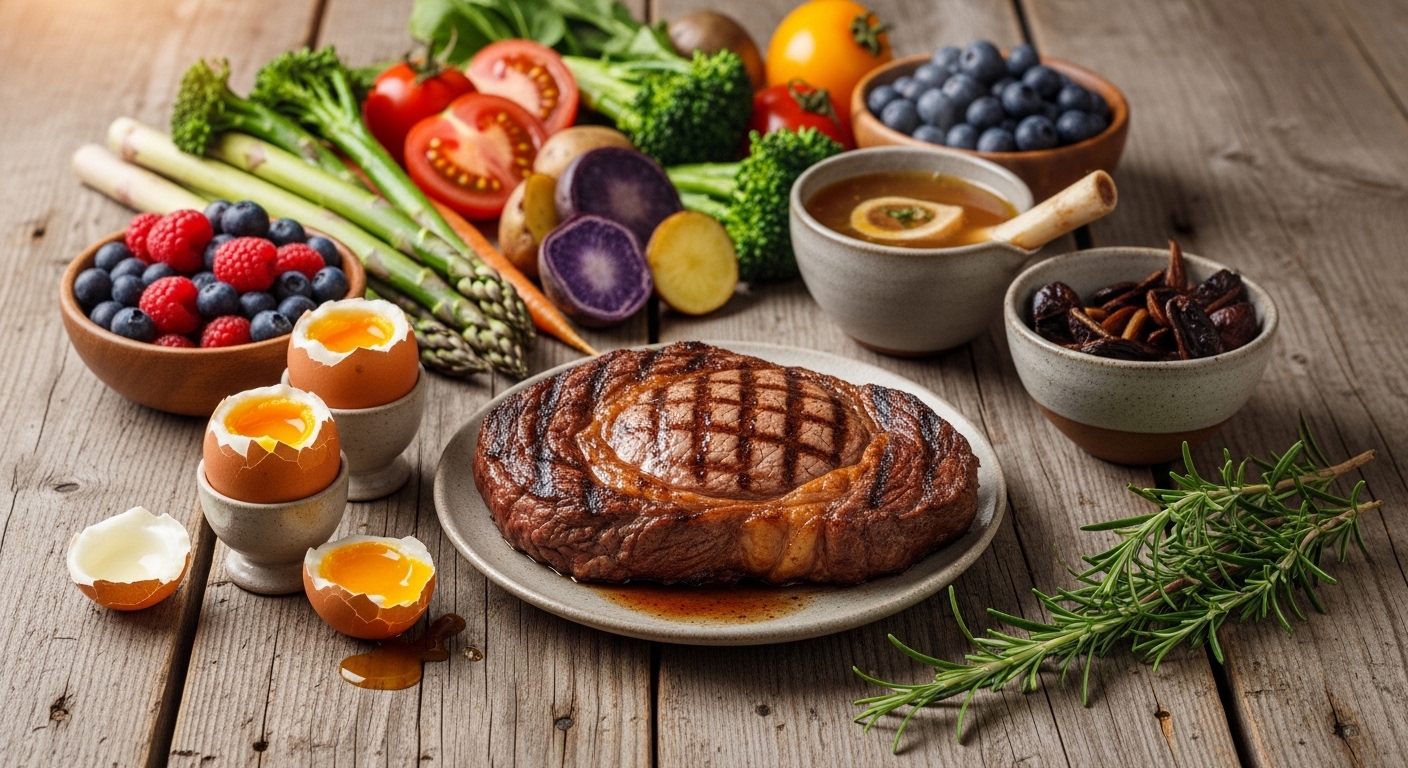
Ancestral eating is loosely based on the premise that our bodies are optimized for the foods humans ate for the vast majority of our evolutionary history. That means:
- Animal proteins. Meat, fish, eggs, shellfish. the nutrient-dense backbone of every traditional diet we could find, from the Inuit to Mediterranean cultures
- Healthy fats. Butter, ghee, tallow, olive oil, coconut oil. not the industrial seed oils that entered our food supply less than a century ago
- Seasonal produce. Vegetables and fruits that actually grow near you, in season
- Fermented foods. Sauerkraut, kimchi, yogurt, kefir. gut health before “gut health” became a marketing buzzword
- Organ meats. Liver, heart, kidney. the parts our ancestors prized but modern culture forgot
What it’s not. a rigid Paleo rulebook. We’re not re-enacting caveman life. We eat white rice sometimes. We enjoy cheese. The point is focusing on nutrient density and removing the foods that didn’t exist 150 years ago.
Why We Quit Seed Oils
This was the gateway change for most of our team. Once you start reading ingredient labels, you realize canola oil, soybean oil, sunflower oil, and safflower oil are in everything; salad dressings, crackers, restaurant cooking, even “health foods.”
The issue isn’t that these oils exist. It’s that they’re:
- Highly processed. extracted using chemical solvents, bleached, and deodorized
- High in omega-6 fatty acids. which, in excess, promote inflammation
- Unstable at high heat. they oxidize easily, producing compounds you don’t want in your body
We switched to cooking with butter, ghee, tallow, and olive oil. Tallow for high-heat searing. Butter for everything else. Olive oil raw or at low temperatures.
The first thing we noticed? Less bloating after meals. Two months in, skin looked clearer. We can’t prove causation, but the correlation was hard to ignore.
Building Your Plate
Here’s how we structure most meals. It’s simple, and that’s the point.
Protein First
Every meal starts with a protein source. This isn’t about bodybuilding; it’s about satiety, stable blood sugar, and getting the amino acids your body needs.
- Breakfast. 3 eggs cooked in butter, maybe with smoked salmon or leftover ground beef
- Lunch. Grilled chicken thighs, sardines on sourdough, or a big salad with steak strips
- Dinner. Wild-caught salmon, grass-fed ribeye, slow-cooked lamb shoulder, or pork chops
Add Seasonal Vegetables
We don’t count portions. We just fill the rest of the plate with whatever looks good at the farmers market:
- Spring: asparagus, radishes, peas, spring onions
- Summer: tomatoes, peppers, zucchini, cucumbers
- Autumn: squash, sweet potatoes, mushrooms, kale
- Winter: root vegetables, cabbage, Brussels sprouts, leeks
Healthy Fats
Fat isn’t the enemy; it makes food taste incredible and helps you absorb fat-soluble vitamins (A, D, E, K).
- Cook in butter or ghee
- Dress salads with extra-virgin olive oil
- Eat the skin on your chicken
- Don’t trim the fat off your steak
Fruit as Dessert
Seasonal fruit replaced our sugar cravings within about three weeks. A bowl of ripe summer berries hits differently when you haven’t had a candy bar in a month.
The Organ Meat Question
Let’s be honest: eating liver for the first time was a mental hurdle. The texture, the idea of it; it took some convincing.
But here’s the thing: liver is the most nutrient-dense food on the planet. A small serving of beef liver gives you more vitamin A, B12, copper, and folate than almost any supplement.
How we eased into it:
- Liver pate. blend cooked chicken livers with butter, garlic, and herbs. Spread on sourdough. Actually delicious.
- Frozen liver pills. cut raw liver into tiny pieces, freeze, swallow like supplements. Sounds weird. Works.
- Mixed into ground beef. grate frozen liver into ground beef when making burgers or meatballs. You won’t taste it.
Heart is honestly the easiest organ to start with. Beef heart tastes like a lean, slightly minerally steak. Slice it thin, marinate, grill. Most people can’t tell the difference.
What About Carbs?
We’re not anti-carb. We’re anti-garbage-carb.
White rice, sweet potatoes, potatoes, sourdough bread, seasonal fruit; these are all fine in our framework. What we removed:
- Breakfast cereals (highly processed, loaded with sugar and seed oils)
- Most bread from grocery stores (preservatives, seed oils, dough conditioners)
- Pasta made from refined wheat (occasionally we’ll have good-quality pasta)
- Anything with high-fructose corn syrup
The shift here is from processed carbs to whole-food carbs. Your body handles them completely differently.
A Week of Ancestral Eating
Here’s an actual week from one of our team members:
Monday. Eggs and sausage for breakfast. Leftover roast chicken salad for lunch. Salmon with roasted sweet potato and broccoli for dinner.
Tuesday. Greek yogurt with berries and honey. Steak and arugula wrap (sourdough) for lunch. Slow-cooker bone broth soup with root vegetables for dinner.
Wednesday. Scrambled eggs with smoked salmon. Sardines on toast with olive oil and lemon for lunch. Lamb chops with mashed potatoes (butter, not margarine) and sauteed greens for dinner.
Thursday. Liver pate on sourdough for breakfast (it grows on you). Big salad with grilled chicken for lunch. Pork chops with sauerkraut and roasted beets for dinner.
Friday. Bacon and eggs. Tuna salad (olive oil mayo) for lunch. Homemade burgers (with grated liver mixed in) on sourdough buns, side of coleslaw for dinner.
Weekend. Farmers market haul determines the menu. Usually involves a bigger roast (whole chicken, pork shoulder, or beef brisket) that becomes leftovers for early next week.
Getting Started
You don’t need to overhaul your diet overnight. Here’s where we’d start if we were doing this again:
- Swap your cooking oils. get rid of canola and vegetable oil. Buy butter, ghee, and a good olive oil. This single change takes five minutes and affects every meal.
- Read ingredient labels. just start noticing how many packaged foods contain seed oils, sugar, and ingredients you can’t pronounce.
- Eat more eggs. they’re cheap, fast, and packed with nutrients. Three eggs for breakfast keeps you full until lunch.
- Buy one thing from a farmers market. seasonal, local produce tastes better and is usually cheaper than you’d think.
- Try one organ meat. liver pate is the friendliest entry point. Give it three tries before you decide.
The rest happens naturally. Once you start eating real food, the processed stuff starts tasting like what it is: engineered to be addictive, not nourishing.
Further Reading
This guide is the hub for our nutrition content. Dive deeper into any of these topics:
- Why We Quit Seed Oils (And What We Cook With Instead)
- Organ Meats 101: Benefits + Beginner Recipes
- 15 High-Protein Breakfasts Without Grains
- Seasonal Fruit Guide: What to Eat Each Month
- The Gut-Skin Connection Explained
Keep Reading
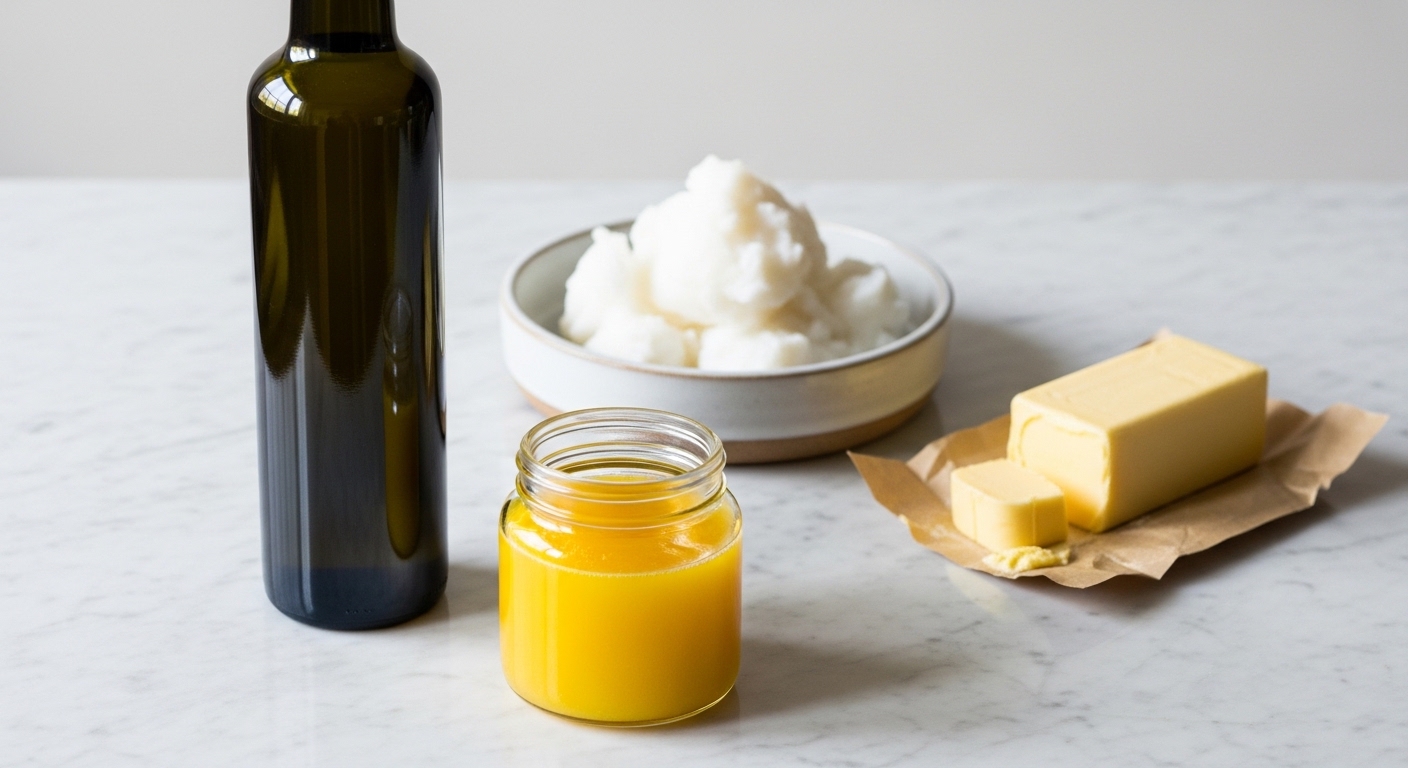
Why We Quit Seed Oils (And What We Cook With Instead)
The science behind industrial seed oils, why we removed them from our kitchen, and the traditional fats that replaced them.
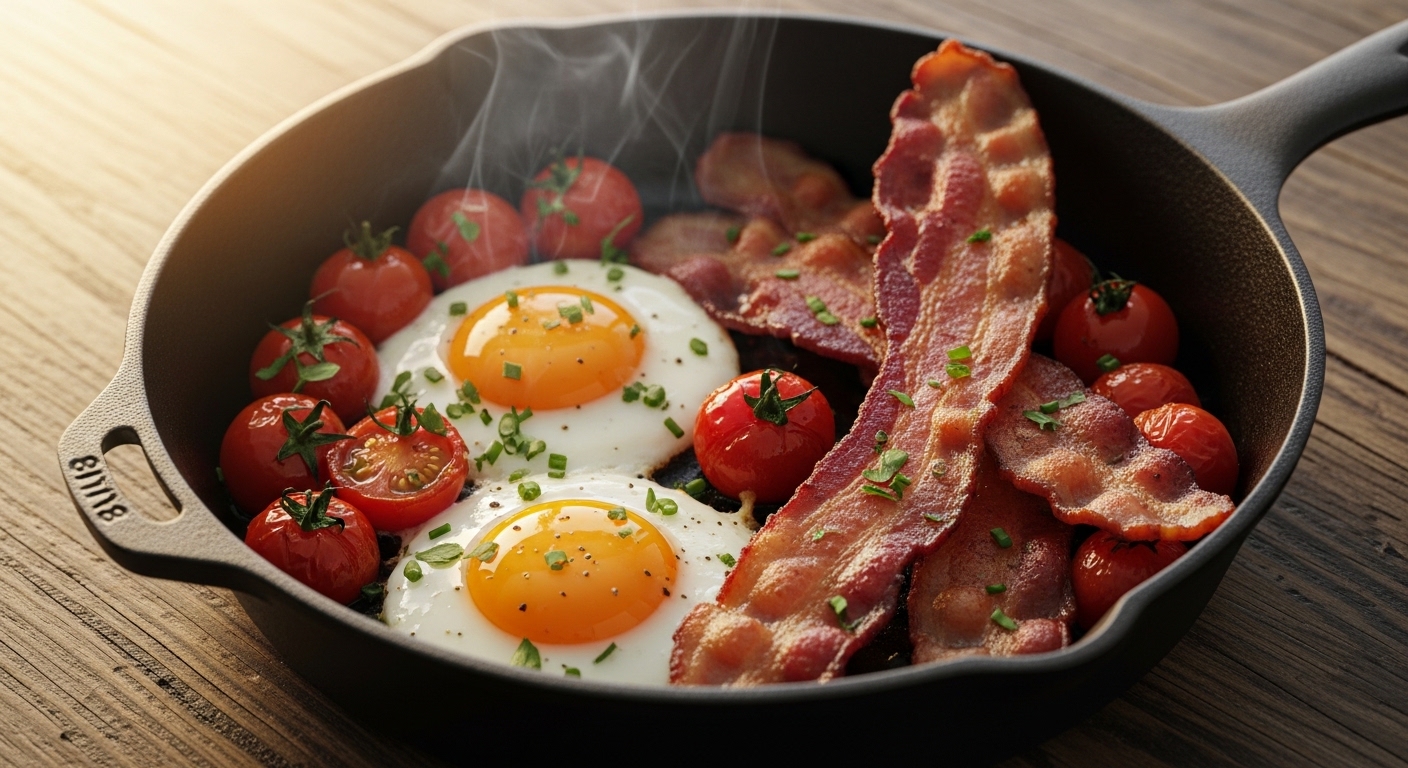
15 High-Protein Breakfasts Without Grains
15 quick, high-protein breakfast ideas that keep you full until lunch without grains. No cereal, no toast, no oats. Just real, whole-food fuel.
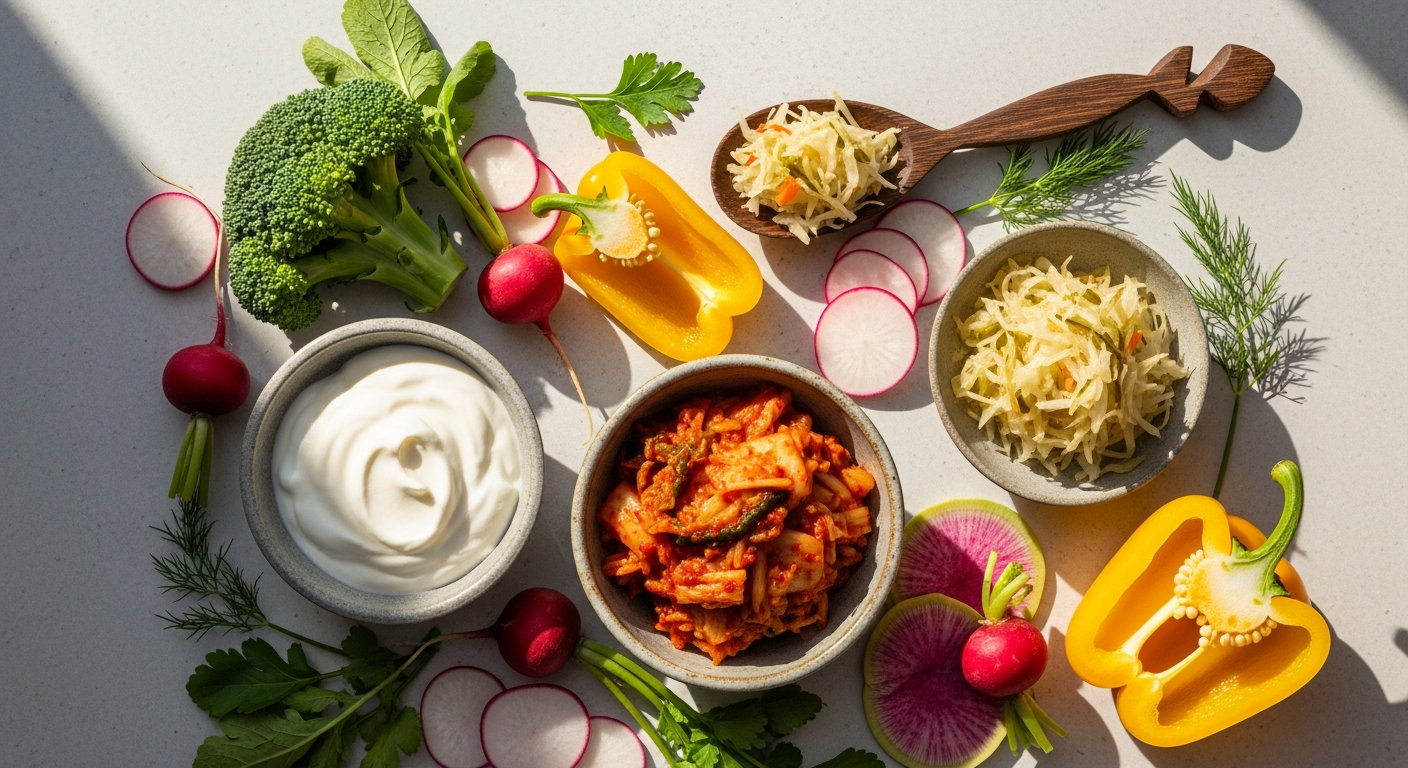
The Gut-Skin Connection Explained
How your digestive health directly affects your skin, the science behind the gut-skin axis, and what to eat for a clearer complexion.
Stay Rooted
Weekly reads on whole-food nutrition, movement, and the K-Beauty routines we actually use. No spam, no fluff. just things worth reading.