Why We Quit Seed Oils (And What We Cook With Instead)
The science behind industrial seed oils, why we removed them from our kitchen, and the traditional fats that replaced them.
 The Rooted Glow Team
 Three years ago, if you’d told us that cooking oil would become the most controversial item in our kitchen, we’d have laughed. Canola oil was just… oil. It’s what everyone used.
Then we started reading.
What Are Seed Oils, Exactly?
Seed oils; sometimes called “vegetable oils,” which is a generous marketing term; are oils extracted from the seeds of plants using industrial processes. The most common ones:
- Canola oil (rapeseed)
- Soybean oil
- Sunflower oil
- Safflower oil
- Corn oil
- Grapeseed oil
- Cottonseed oil
These oils barely existed before the early 1900s. The technology to extract them at scale didn’t exist. For context, Crisco (one of the first mass-market seed oil products) launched in 1911, originally marketed as a soap ingredient.
How They’re Made
This is what changed our minds. The process for making canola oil goes roughly like this:
- Seeds are heated to high temperatures
- A chemical solvent (hexane) is used to extract the oil
- The oil is degummed, bleached, and deodorized to remove the rancid smell caused by processing
- Synthetic antioxidants are added to extend shelf life
Compare that to olive oil: crush olives, collect the juice. Or butter: churn cream. The gap in processing is enormous.
The Omega-6 Problem
Our bodies need both omega-6 and omega-3 fatty acids. Historically, humans consumed these in roughly a 1:1 to 4:1 ratio (omega-6 to omega-3).
Modern Western diets (heavily reliant on seed oils) push that ratio to somewhere between 15:1 and 25:1.
Why does this matter? Omega-6 fatty acids, specifically linoleic acid, are precursors to pro-inflammatory compounds. In moderate amounts, this is fine; inflammation is a normal immune response. But chronic, low-grade inflammation is linked to a depressing list of conditions:
- Heart disease
- Type 2 diabetes
- Obesity
- Autoimmune disorders
- Skin conditions (acne, eczema, premature aging)
We’re not saying seed oils cause these conditions. But removing a major source of excess omega-6 seemed like a reasonable experiment.
What We Noticed After Switching
Full disclosure: this is anecdotal. We’re not a clinical trial. But across our small team, here’s what we observed after 3–6 months of zero seed oils:
- Less bloating after meals. the most immediate and unanimous change
- Clearer skin. two team members with persistent mild acne saw significant improvement
- Better energy after eating. no more afternoon crashes after lunch
- Food tasted better. butter and olive oil just have more flavor than canola
The skin change was the most surprising. One of us had tried every topical treatment for years. Removing seed oils and switching to traditional fats did more than any cream ever did.
What We Cook With Now
Here’s our current oil rotation:
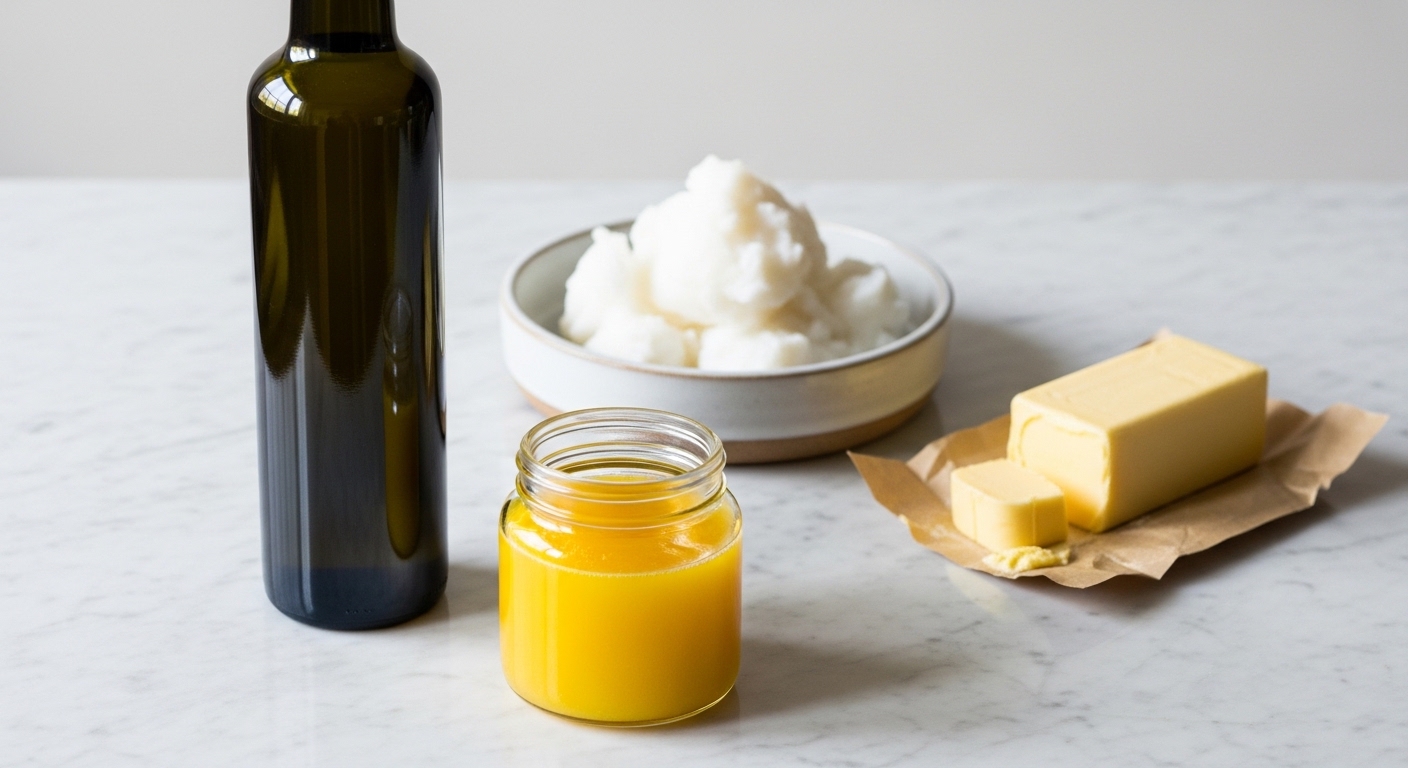
Butter & Ghee
Our workhorse fats. Butter for eggs, vegetables, sauces; basically everything at medium heat. Ghee (clarified butter) for higher-heat cooking since the milk solids are removed, giving it a higher smoke point.
We buy grass-fed when the budget allows. Kerrygold is the standard recommendation, and for good reason; it’s widely available and genuinely good.
Extra-Virgin Olive Oil
For salad dressings, drizzling over finished dishes, and low-to-medium heat cooking. We go through a lot of olive oil.
The key is buying real EVOO. A disturbing amount of store-bought olive oil is adulterated with cheaper oils. Look for harvest dates on the bottle, single-origin producers, and dark glass containers.
Tallow
Beef tallow is our high-heat champion. French fries in tallow? Transformative. Searing steaks? Unbeatable. It sounds old-fashioned because it is; every restaurant used tallow before the seed oil industry convinced them to switch.
You can render your own from beef fat (suet) or buy it pre-rendered. A jar lasts weeks in the fridge.
Coconut Oil
Used less frequently, mainly for certain Asian dishes or when we want that subtle coconut flavor. It’s solid at room temperature and has a decent smoke point.
Avocado Oil
Our backup for high-heat when tallow feels too heavy. Good for mayo, too. Just watch the brand; many avocado oils have been found to be diluted or rancid. We stick to Chosen Foods or Primal Kitchen.
Practical Tips for Switching
Making this change is easier than you’d think:
-
Audit your pantry. check every sauce, dressing, and condiment. You’ll find seed oils in mayonnaise, salad dressings, hummus, pesto, bread, crackers, and even some nut butters.
-
Make your own dressings. olive oil + acid (lemon, vinegar) + seasoning. Takes 30 seconds and tastes better than anything in a bottle.
-
Restaurants are the hard part. almost every restaurant cooks with seed oils. We don’t stress about it when eating out occasionally, but for daily cooking at home, we keep things clean.
-
Read labels at the store. “made with olive oil” often means “made with mostly canola oil, plus a splash of olive oil for marketing.”
-
Don’t throw away everything at once. use up what you have (except the bottles of canola; those can go). Replace things naturally as they run out.
The Research Landscape
We want to be transparent: the science on seed oils isn’t settled. You’ll find respectable researchers on both sides. The American Heart Association still recommends “vegetable oils” as a heart-healthy choice, largely based on their cholesterol-lowering effects.
What’s harder to dispute:
- These oils are evolutionarily novel. humans never consumed them at this scale
- The processing methods are industrial, not traditional
- The omega-6 to omega-3 ratio in modern diets is wildly skewed
- Populations that consume traditional fats (Mediterranean, Japanese, French) tend to have better health outcomes
For us, the logic was simple: if the choice is between a fat that’s been consumed for thousands of years (butter, olive oil, tallow) and one that requires chemical solvents to produce and didn’t exist until last century; we’ll take the traditional option.
Your kitchen, your call. But maybe read the back of your canola oil bottle first.
Keep Reading
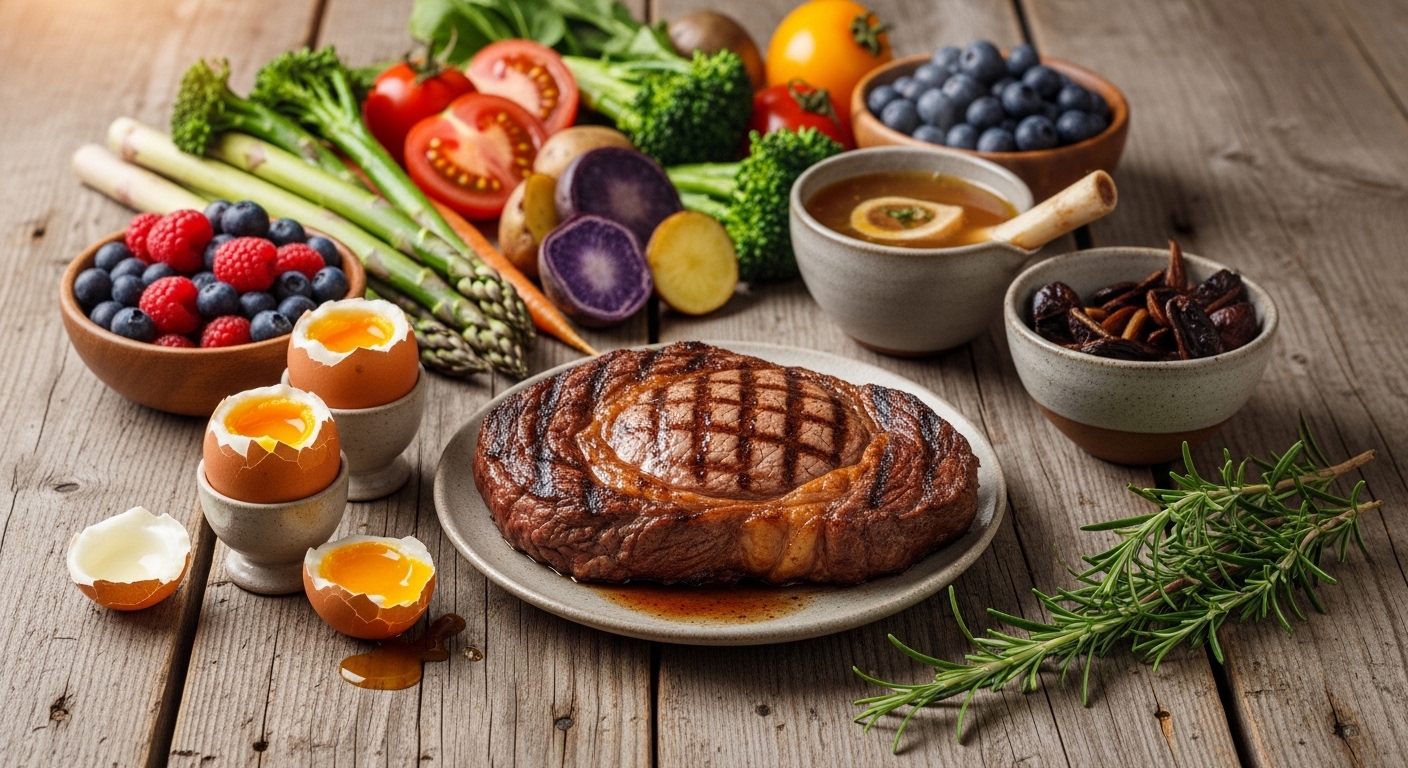
Complete Guide to Ancestral Eating
How eating like our great-grandparents. real meat, wild fish, seasonal fruit, and zero seed oils. changed the way we think about food.

15 High-Protein Breakfasts Without Grains
15 quick, high-protein breakfast ideas that keep you full until lunch without grains. No cereal, no toast, no oats. Just real, whole-food fuel.
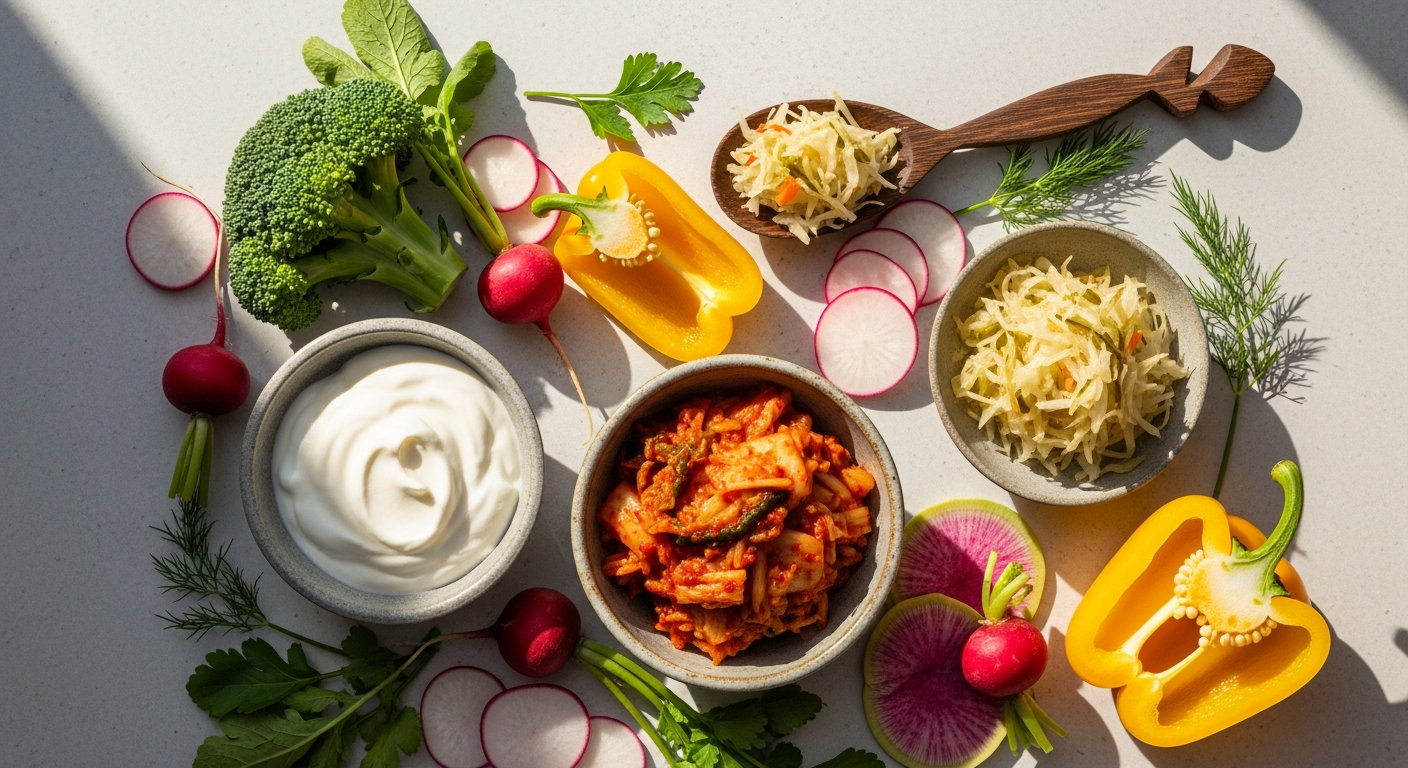
The Gut-Skin Connection Explained
How your digestive health directly affects your skin, the science behind the gut-skin axis, and what to eat for a clearer complexion.
Stay Rooted
Weekly reads on whole-food nutrition, movement, and the K-Beauty routines we actually use. No spam, no fluff. just things worth reading.