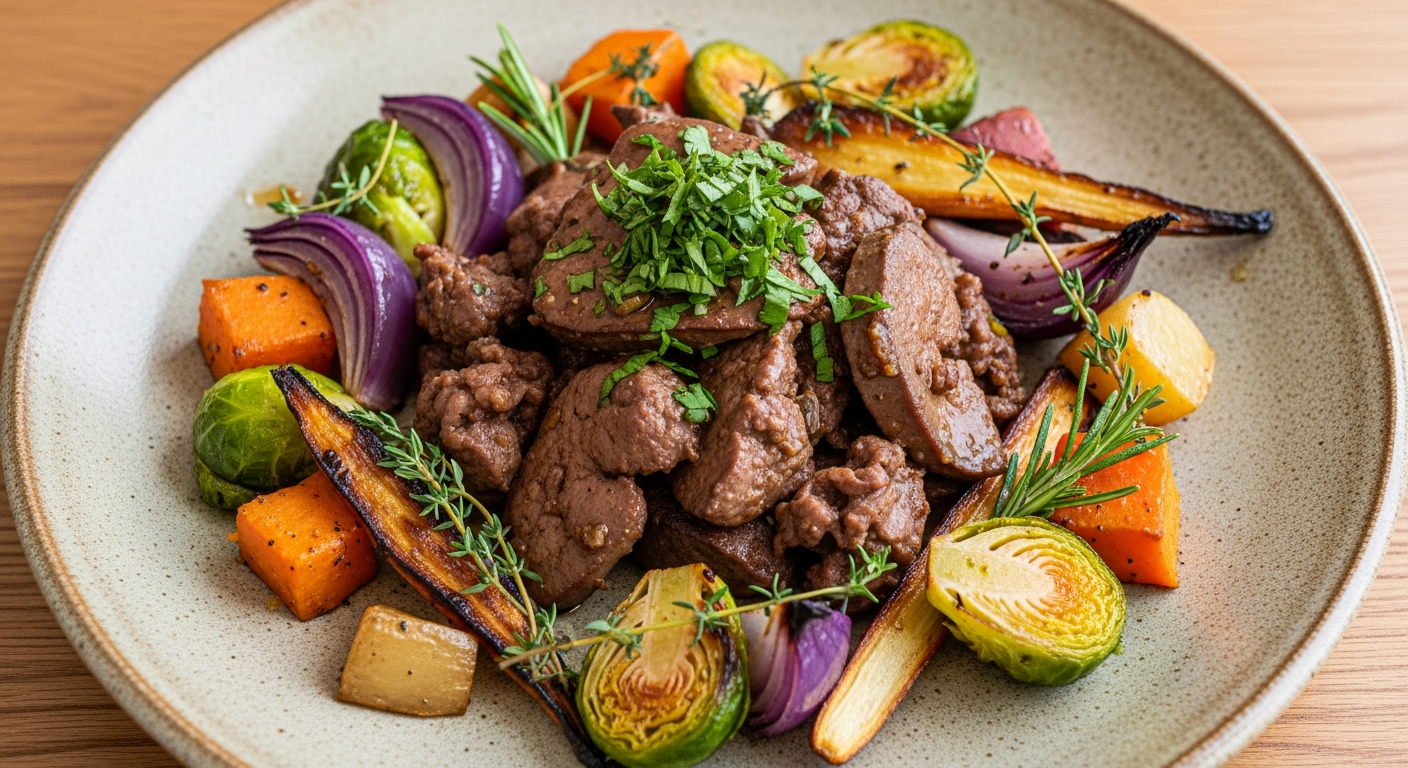
Organ Meats 101: Benefits + Beginner Recipes
Everything you need to know about eating organ meats. the surprising nutritional benefits, how to get started, and recipes that actually taste good.
 The Rooted Glow Team
 We’ll be honest: the first time we bought beef liver, it sat in the fridge for three days while we worked up the courage to cook it. The smell was unfamiliar. The texture looked intimidating. And the whole concept of eating organs felt like something from a survival show, not a Tuesday dinner.
That was two years ago. Today, liver is a weekly staple. Heart shows up on our grill regularly. And we’ve come to believe that organ meats might be the single most underrated food category in modern nutrition.
Here’s everything we learned along the way.
Why Organ Meats Matter
For most of human history, organs were the prized parts of the animal. Muscle meat (the steaks and chicken breasts we gravitate toward today) was actually less valued. Hunters across cultures, from Indigenous peoples in North America to the Maasai in Africa, consistently ate the organs first and gave the muscle meat to the dogs or preserved it for later.
There’s a reason for that.
Nutritional Density That’s Hard to Match
Gram for gram, organ meats contain more vitamins and minerals than any other food category. Here’s a snapshot of what beef liver provides per 100g serving:
- Vitamin A (retinol). 26,000 IU. that’s over 500% of the daily value. And this is the preformed version your body can use immediately, not the beta-carotene from carrots that requires conversion.
- Vitamin B12. 83 mcg, roughly 3,400% of the daily value. B12 is critical for nerve function and energy production.
- Folate. 290 mcg. essential for DNA synthesis and especially important during pregnancy.
- Copper. 14 mg. important for iron metabolism and connective tissue.
- Iron. 6.5 mg of heme iron, the most bioavailable form.
- Choline. 418 mg. crucial for brain health and liver function. Most people are deficient.
Dr. Chris Masterjohn, a nutritional scientist who has published extensively on fat-soluble vitamins, calls liver “nature’s multivitamin.” After looking at the numbers, it’s hard to argue.
Other Organs, Other Benefits
Liver gets the headlines, but other organs bring their own strengths:
- Heart. The richest natural source of CoQ10, an antioxidant that supports mitochondrial function and cardiovascular health. Heart also contains taurine, which helps regulate bile acids and supports the nervous system.
- Kidney. High in selenium (critical for thyroid function) and vitamin B12. Also contains a unique peptide profile that some researchers believe supports kidney health.
- Bone marrow. Rich in collagen, conjugated linoleic acid (CLA), and alkylglycerols, which are being studied for their immune-supporting properties.
- Tongue. Technically a muscle, but often grouped with offal. High in iron, zinc, and B12, with a rich, tender texture.
Getting Over the Mental Barrier
Let’s address the elephant in the room. Eating organs sounds weird if you grew up in a culture that wraps everything in plastic and pretends meat doesn’t come from animals.
The mental barrier is real. But it’s cultural, not biological. If you’ve ever eaten pate at a French restaurant, you’ve eaten liver. If you’ve had hot dogs or salami, you’ve consumed organ-adjacent products (in a much less wholesome form).
Here’s what helped us get comfortable:
- Start with heart. It tastes the most like regular meat. Grilled beef heart is genuinely delicious, like a lean, slightly minerally steak.
- Hide liver in other foods. Grate frozen liver into ground beef, add it to meatballs, or blend it into Bolognese sauce. You won’t taste it.
- Try pate first. Chicken liver pate with butter, garlic, and thyme is legitimately one of the best things we’ve ever made.
- Commit to three tries. Your palate adjusts. The first time we ate liver, it was a chore. By the third time, we genuinely looked forward to it.
Beginner Recipes
These are the recipes that converted our team. None require culinary skill. All taste good.
Chicken Liver Pate
This is the gateway recipe. If you can use a blender, you can make this.
Ingredients:
- 500g chicken livers, trimmed
- 4 tablespoons butter (divided)
- 1 small onion, diced
- 2 cloves garlic, minced
- 2 tablespoons brandy or cognac (optional but recommended)
- 1 teaspoon fresh thyme leaves
- Salt and pepper to taste
Method:
- Melt 2 tablespoons butter in a skillet over medium heat. Cook onion until soft, about 5 minutes.
- Add garlic, cook 1 minute.
- Add chicken livers. Cook until browned outside but still slightly pink inside, about 4 minutes per side.
- Add brandy (careful, it may flame briefly). Let it cook off for 30 seconds.
- Transfer everything to a blender. Add remaining 2 tablespoons butter, thyme, salt, and pepper.
- Blend until smooth.
- Pour into a jar or ramekin. Refrigerate for at least 2 hours.
Spread on sourdough toast, apple slices, or cucumber rounds. Keeps in the fridge for about a week.
The first time we made this, our editor said “this tastes like something from a fancy restaurant.” It does. And it costs about $3 to make.
Grilled Beef Heart
Heart is the organ that surprises people most. The texture is firm, clean, and beefy.
Ingredients:
- 1 beef heart (ask your butcher to trim it)
- 3 tablespoons olive oil
- 2 tablespoons soy sauce or coconut aminos
- 2 cloves garlic, minced
- 1 teaspoon cumin
- Salt and pepper
Method:
- Cut the heart into 1/2 inch steaks, removing any fat or connective tissue.
- Marinate in olive oil, soy sauce, garlic, and cumin for at least 2 hours (overnight is better).
- Grill over high heat for 2 to 3 minutes per side. You want medium-rare to medium. Overcooking makes it tough.
- Let rest 5 minutes. Slice thin against the grain.
Serve with chimichurri sauce and you’ve got a meal that could anchor a dinner party. We’re not exaggerating.
Hidden Liver Burger
For the organ-skeptical. This is how we first got liver into our diet without confronting it directly.
Ingredients:
- 500g ground beef
- 100g beef liver (frozen for at least 2 hours)
- 1 teaspoon salt
- 1/2 teaspoon garlic powder
- 1/2 teaspoon onion powder
Method:
- Grate the frozen liver on a box grater (freezing makes this easy; fresh liver is too soft to grate).
- Mix grated liver into the ground beef with seasonings.
- Form into patties.
- Cook as you normally would, in a skillet or on the grill.
The liver adds a subtle depth of flavor and a noticeable richness. Most people can’t identify it as liver. We’ve served these to friends without mentioning the liver, and nobody noticed.
Bone Marrow on Toast
This one is pure luxury. Roasted bone marrow is buttery, rich, and melts on your tongue.
Ingredients:
- 4 marrow bones, split lengthwise (ask your butcher)
- Flaky sea salt
- Sourdough toast
- Parsley, chopped
- Lemon juice
Method:
- Preheat oven to 450°F / 230°C.
- Place bones marrow-side up on a baking sheet.
- Roast for 15 to 20 minutes until the marrow is soft and slightly golden.
- Scoop marrow onto toast. Sprinkle with salt, parsley, and a squeeze of lemon.
This is genuinely one of the most delicious things you can eat. If you’ve never had roasted bone marrow, please try it before deciding organ meats aren’t for you.
Sourcing and Storage
Where to buy. Your best bet is a local butcher or farmers market. Ask specifically for grass-fed organs. Most butchers have liver and heart readily available. Kidney, tongue, and marrow bones may need to be requested in advance.
Grocery stores increasingly stock organ meats, usually in the frozen section. Quality varies.
Cost. This is one of the best parts. Because demand for organ meats is low, they’re dramatically cheaper than muscle meat. We routinely buy beef liver for $3 to $5 per pound and beef heart for $4 to $6 per pound. Marrow bones are often $3 to $4 per pound.
Storage. Fresh organs keep in the fridge for 1 to 2 days. Freeze them in individual portions and they’ll last months. We buy in bulk and freeze immediately.
How Often Should You Eat Organ Meats?
For most people, incorporating organ meats 1 to 2 times per week is plenty. A single 100g serving of liver per week provides a massive nutritional boost.
One word of caution: liver is extremely high in vitamin A. For adults, eating liver more than 2 to 3 times per week could potentially push vitamin A intake too high. Pregnant women should consult their doctor about liver consumption specifically.
Heart, tongue, and bone marrow don’t have this concern and can be eaten more freely.
The Bigger Picture
Eating nose-to-tail isn’t just good nutrition. It’s more ethical and sustainable. When we only eat chicken breasts and ribeyes, the rest of the animal goes to waste or gets processed into pet food. Eating organs respects the whole animal and reduces waste.
It also connects us to how humans have eaten for thousands of years. There’s something grounding about that.
If you’re exploring ancestral eating, organ meats are one of the pillars that separates a good diet from an exceptional one. Start with the pate. Give it three honest tries. You might be surprised where it leads.
Keep Reading
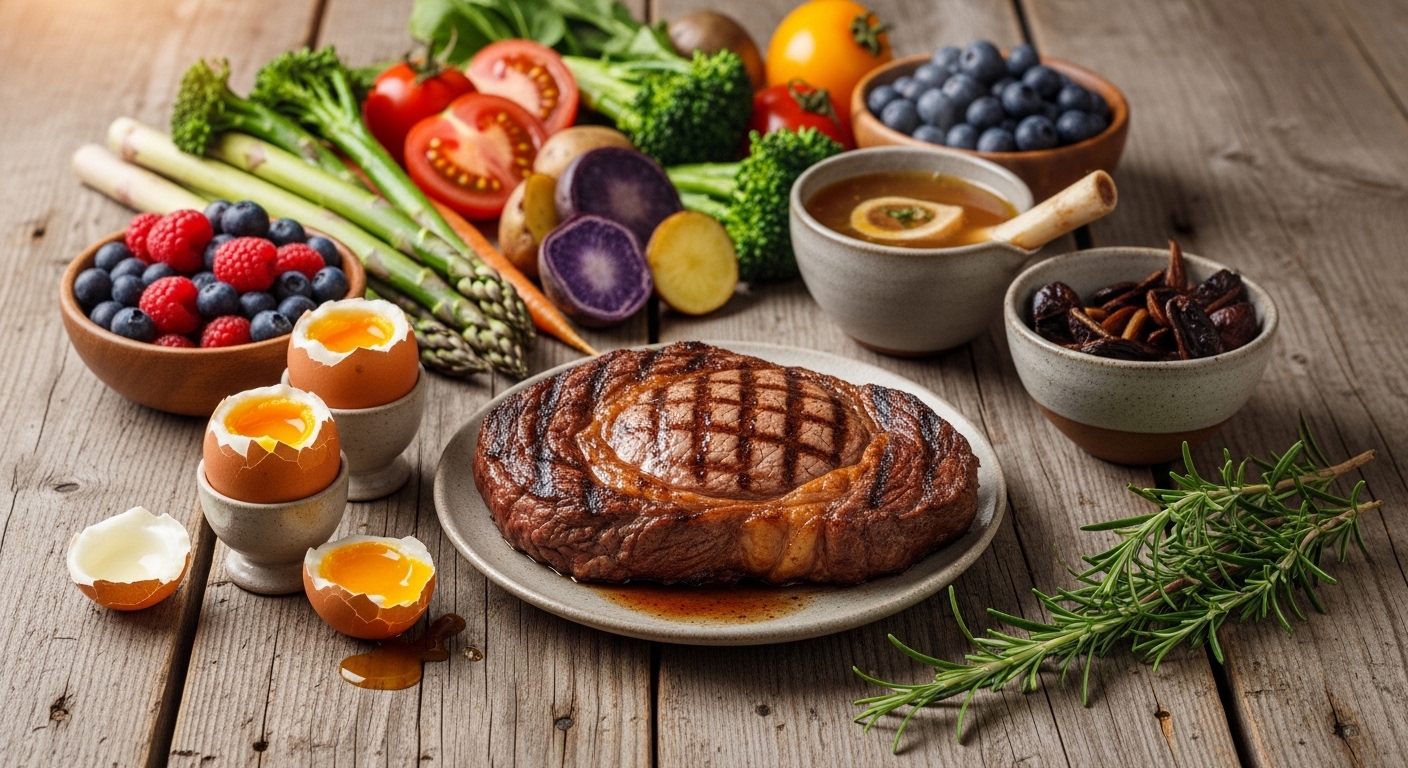
Complete Guide to Ancestral Eating
How eating like our great-grandparents. real meat, wild fish, seasonal fruit, and zero seed oils. changed the way we think about food.
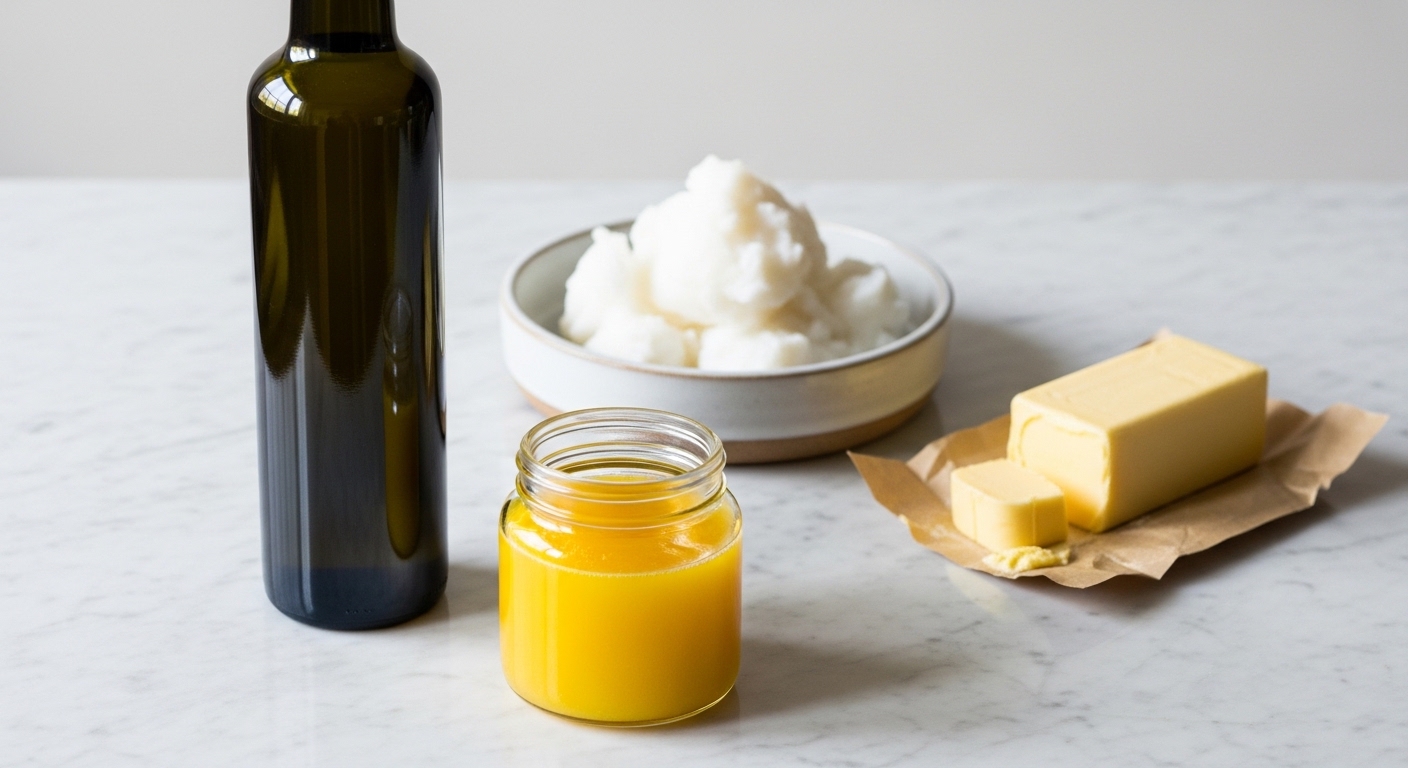
Why We Quit Seed Oils (And What We Cook With Instead)
The science behind industrial seed oils, why we removed them from our kitchen, and the traditional fats that replaced them.
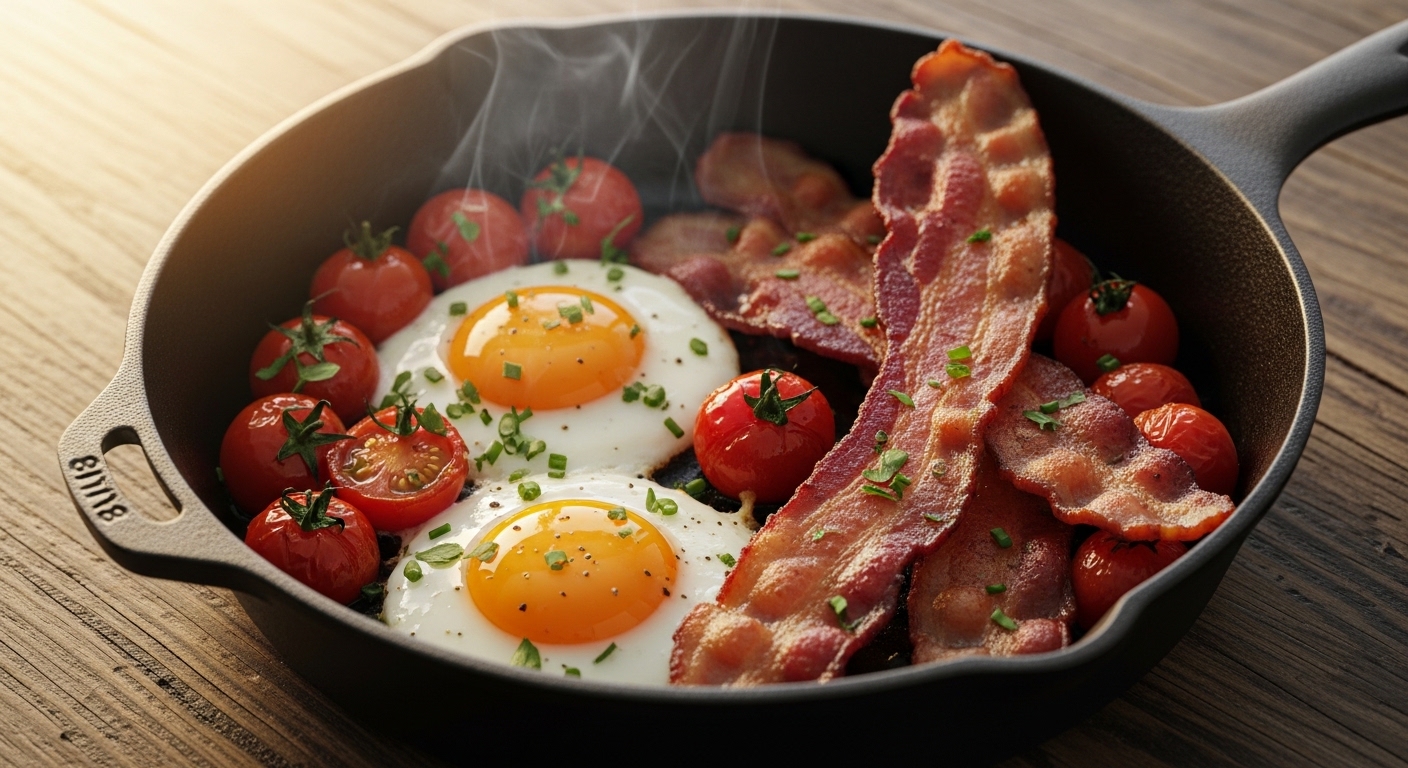
15 High-Protein Breakfasts Without Grains
15 quick, high-protein breakfast ideas that keep you full until lunch without grains. No cereal, no toast, no oats. Just real, whole-food fuel.
Stay Rooted
Weekly reads on whole-food nutrition, movement, and the K-Beauty routines we actually use. No spam, no fluff. just things worth reading.