Running Shoe Rotation: Why You Need Multiple Pairs
What one 22-week study of recreational runners found about using more than one pair of shoes, plus a practical rotation by workout. Not a 39% promise.

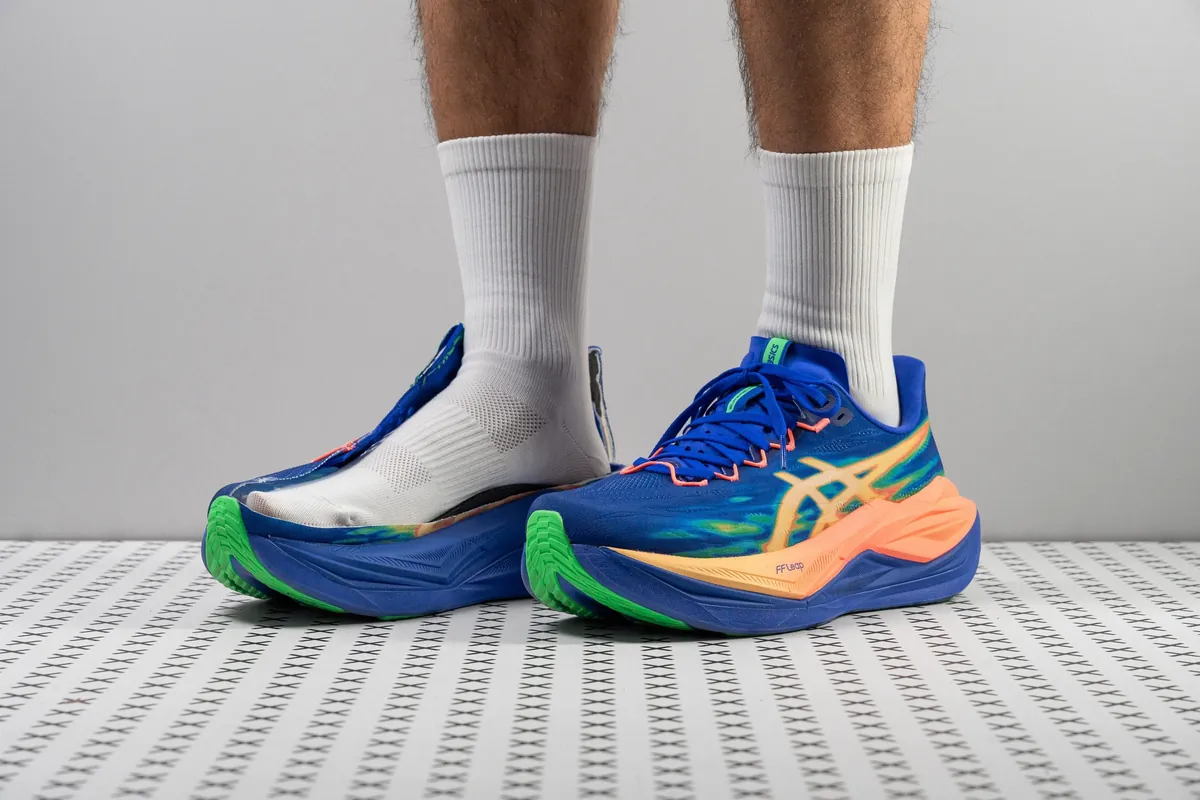
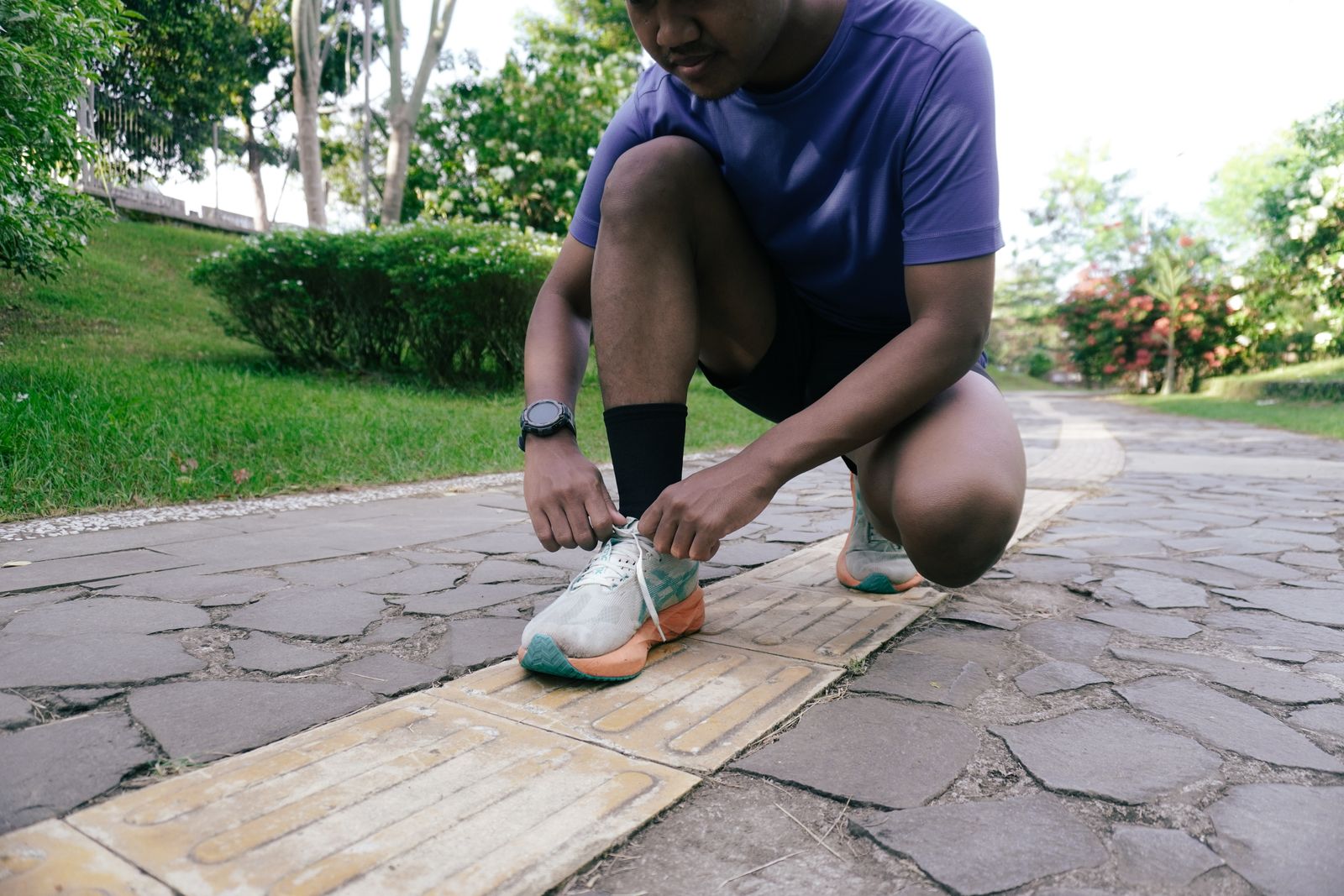
Using one shoe for every run is like using one knife for every kitchen task — it works, but it’s far from optimal. Rotating pairs spreads the miles and gives each shoe a day off. One study of recreational runners found an association with fewer running-related injuries. The limits of that finding are below. It is not a promise that your injury risk falls by a set percent.
Here’s how to build yours.
The Science Behind Shoe Rotation
A prospective study followed 264 recreational runners for 22 weeks. In the adjusted analysis, using more than one pair of running shoes in parallel was associated with a lower hazard of running-related injury: hazard ratio 0.614 (95% CI 0.389–0.969), about 39% lower (Malisoux et al., Scandinavian Journal of Medicine & Science in Sports, 2015). The confidence interval runs close to no difference. The result is an adjusted association in that group, not a trial of a specific rotation plan, and it does not show that any runner’s injury risk will fall by 39%.
What the paper does, and does not, say:
- Load may vary. The authors write that multiple shoes may vary the load on the musculoskeletal system. They did not measure that load in this study.
- Time between runs. Giving a pair a day off is a common reason to rotate. This guide is not citing a measured foam-recovery time.
- Different sessions. Keeping an easy-day shoe and a workout shoe is a practical split, not a proven injury-prevention protocol.
The Core Shoe Categories
| Category | Purpose | Key Features | 2026 Examples |
|---|---|---|---|
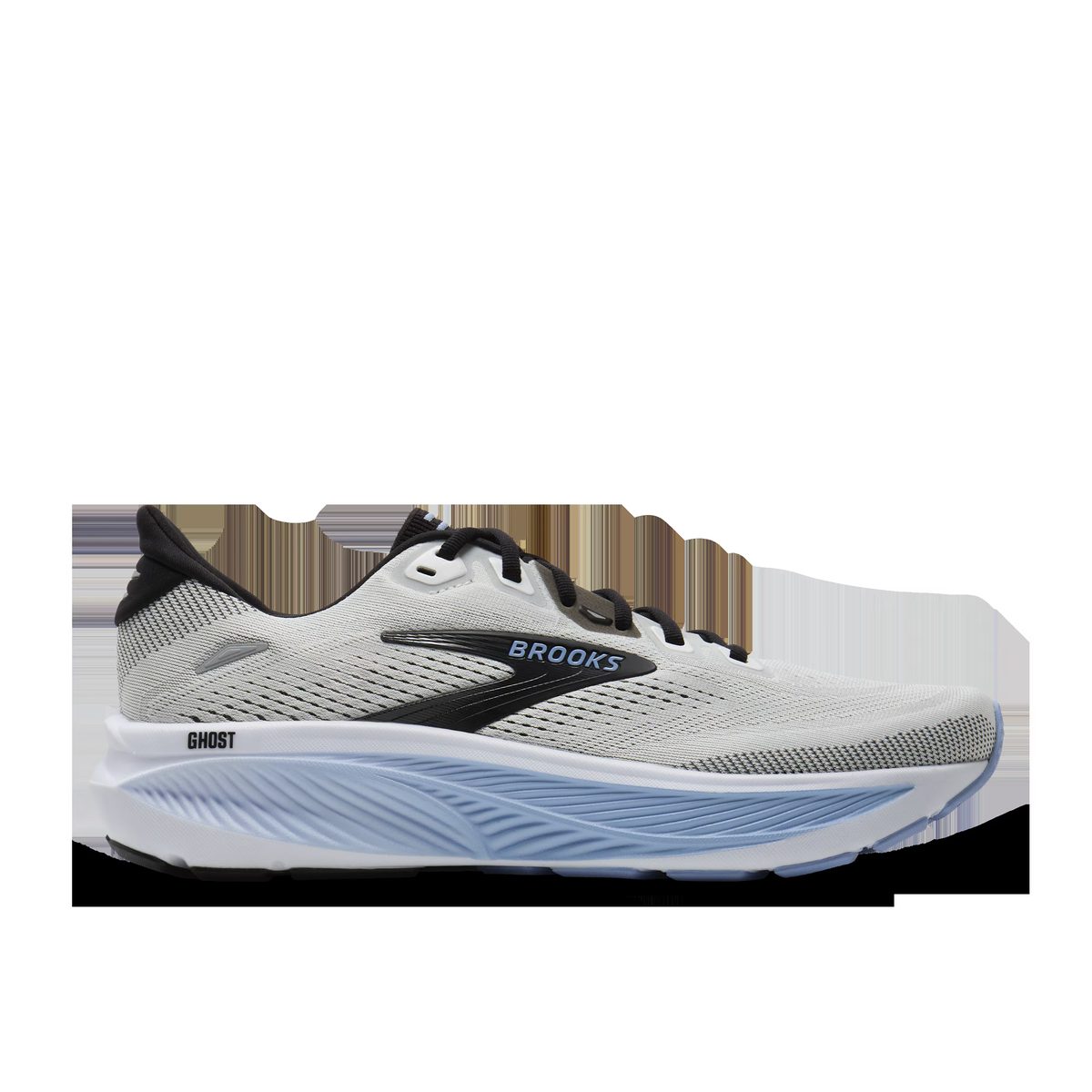
| Daily Trainer | Bulk of weekly mileage | Balanced cushion, durable, comfortable | Brooks Ghost 18, Nike Pegasus 42, Hoka Clifton 10 |
| Speed/Tempo | Fast workouts, intervals | Lightweight, responsive, snappy | Saucony Kinvara 16, Brooks Hyperion Max 2, NB FuelCell Rebel v5 |
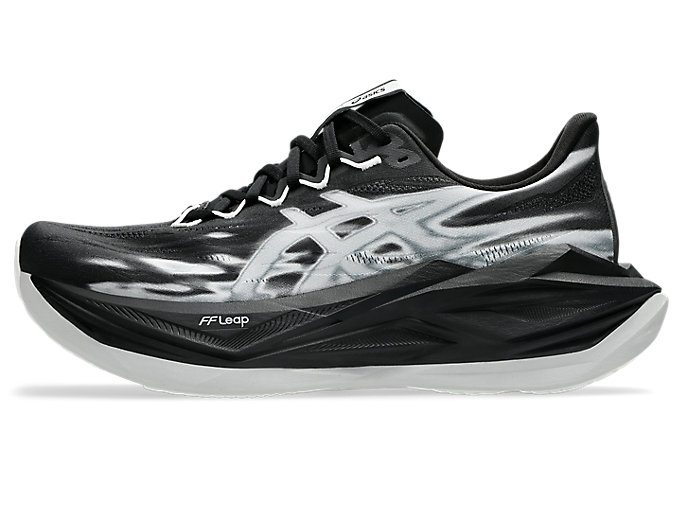
| Long Run | Extended efforts | Max cushion, plush, stable | Nike Vomero Plus, ASICS Novablast 5, NB 1080v15 |
| Recovery | Post-hard-workout jogs | Ultra-soft, max stack, wide base | Hoka Bondi 9, ASICS Gel-Nimbus 28 |
| Race Day | Competition, PRs | Ultra-light, carbon plate, superfoam | Nike Vaporfly 4, Adidas Adios Pro 4, Saucony Endorphin Elite 2 |
A plated tempo shoe comparison is in Saucony Endorphin Speed 6 vs Speed 5.
Rotation by Runner Level
Beginner: 2-Shoe Foundation
You run a few times per week and want to build the habit without overcomplicating things.
| Workout | Shoe Category | Example |
|---|---|---|
| Easy/Recovery Runs | Recovery Shoe | Hoka Bondi 9, ASICS Gel-Nimbus 28 |
| Daily Runs / Longer Jogs | Daily Trainer | Brooks Ghost 18, Nike Pegasus 42, Hoka Clifton 10 |
Two shoes let you keep an easy-day pair and a daily trainer, so one shoe is not doing every run. Find your first pair in our beginner shoes guide.
Intermediate: 3-Shoe Expansion
You’re running 20–40 km/week with structured workouts — tempo, intervals, and long runs.
| Workout | Shoe Category | Example |
|---|---|---|
| Easy / Daily Runs | Daily Trainer | Brooks Ghost 18, Nike Pegasus 42, ASICS Gel-Nimbus 28 |
| Speed / Tempo Runs | Speed/Tempo Shoe | Saucony Kinvara 16, NB FuelCell Rebel v5, Brooks Hyperion Max 2 |
| Long Runs | Long Run Shoe | Nike Vomero Plus, ASICS Novablast 5, NB 1080v15 |
Three shoes cover every workout type, protect your daily trainer from speed-day abuse, and maximize comfort on long efforts. Level up with our intermediate shoes guide.
Published specs for the Adidas Evo SL and the ASICS Novablast 6 are side by side in Adidas Evo SL vs ASICS Novablast 6.
Advanced: 4–5 Shoe Arsenal
You’re logging 50+ km/week with race goals, hard sessions, and high expectations.
| Workout | Shoe Category | Example |
|---|---|---|
| Easy / Recovery Runs | Recovery Shoe | Hoka Bondi 9, ASICS Gel-Nimbus 28 |
| Daily Runs | Daily Trainer | Brooks Ghost 18, Hoka Clifton 10, ASICS Gel-Nimbus 28 |
| Speed / Tempo Runs | Speed/Tempo Shoe | Saucony Kinvara 16, Brooks Hyperion Max 2, NB FuelCell Rebel v5 |
| Long Runs | Long Run / Super Trainer | Nike Vomero Plus, ASICS Superblast 3, ASICS Novablast 5 |
| Race Day | Race Day Shoe | Nike Vaporfly 4, Adidas Adios Pro 4, Saucony Endorphin Elite 2 |
Every run type gets its perfect match. Carbon racers stay fresh for race day, recovery shoes protect tired legs, and your investment lasts longer. Fine-tune your picks with our advanced shoes guide.
Published specs for the ASICS Superblast 3 and the Novablast 6 are side by side in ASICS Superblast 3 vs Novablast 6. The Megablast and Superblast 3 are compared in ASICS Megablast vs Superblast 3. Race-day specs for the Puma Deviate Nitro Elite 4 and the Nike Alphafly 4 are in Puma Deviate Nitro Elite 4 vs Nike Alphafly 4.
Sample Weekly Rotation
Here’s how an intermediate or advanced runner might deploy their rotation across a training week:
| Day | Workout | Shoe | Example |
|---|---|---|---|
| Monday | Easy Recovery | Recovery Shoe | Hoka Bondi 9 |
| Tuesday | Speed/Intervals | Speed/Tempo Shoe | Saucony Kinvara 16 |
| Wednesday | Easy/Daily | Daily Trainer | Nike Pegasus 42 |
| Thursday | Tempo Run | Speed/Tempo Shoe | NB FuelCell Rebel v5 |
| Friday | Easy Recovery | Daily Trainer | ASICS Gel-Nimbus 28 |
| Saturday | Long Run | Long Run Shoe | Nike Vomero Plus |
| Sunday | Rest or light jog | Recovery Shoe | ASICS Gel-Nimbus 28 |
On race day, swap your usual shoe for your dedicated racer (e.g., Nike Vaporfly 4).
Building Your Rotation on a Budget
- Stagger purchases — start with a daily trainer, add a second pair after a few months
- Buy last year’s models — when the 2026 version drops, the 2025 version goes on steep discount with nearly identical performance
- Watch for sales — Black Friday, end-of-season clearance, and running store newsletters
- Prioritize your gaps — if you only do easy runs and long runs, start with a daily trainer + long run shoe; if you do lots of speed, prioritize a tempo shoe
- Let versatile shoes double up — the ASICS Novablast 5 can cover daily and long runs on the specs ASICS publishes; Saucony Kinvara 16 can handle daily and uptempo
Rotating pairs can spread the miles so each shoe is used less often. This guide is not claiming a measured lifespan gain from foam recovery.
When to Retire Each Shoe
| Shoe Type | Expected Lifespan | Notes |
|---|---|---|
| Daily Trainer | 400–500 miles | Built for durability |
| Long Run / Recovery | 350–450 miles | Plush foam compresses earlier |
| Speed/Tempo | 300–400 miles | Lighter build, less durable outsole |
| Race Day | 100–250 miles | Reserve for races + key workouts only |
Retirement signs: foam feels flat, new aches appear, outsole tread is worn through, upper has tears, or the shoe just feels dead. Don’t wait until they’re falling apart — replace proactively to protect your body.