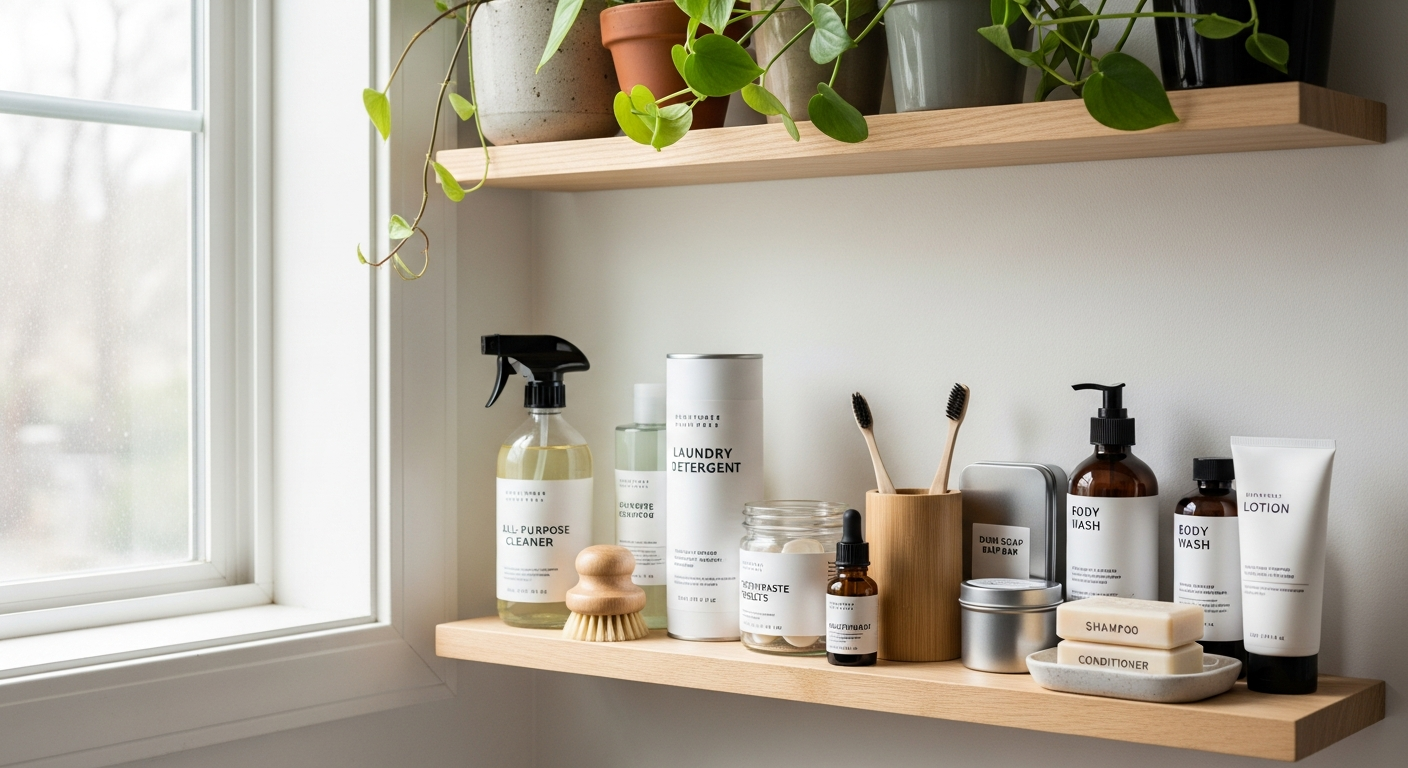
Toxin-Free Living: Where to Start
A practical guide to reducing daily toxin exposure. The biggest culprits in your home, the swaps that matter most, and how to prioritize.
 The Rooted Glow Team
 Let’s be upfront: “toxin-free living” is a phrase that can sound preachy, paranoid, or both. We get it. We rolled our eyes at it too, before we started actually reading ingredient labels and understanding what some of those unpronounceable chemicals do in the body.
This isn’t about achieving perfection. It’s impossible to eliminate every synthetic chemical from modern life, and trying to will make you miserable. This is about identifying the highest-impact swaps you can make, understanding why they matter, and doing them at a pace that’s sustainable.
We approached this the way we approach everything: read the research, experiment personally, keep what works, skip what’s impractical. After two years of gradual changes, our homes look different, our bodies feel different, and the adjustments that stuck were far simpler than we expected.
Why It Matters
The average person is exposed to over 80,000 synthetic chemicals through food, water, air, personal care products, cleaning supplies, and household materials. Most of these chemicals were introduced to the market without long-term safety testing. The regulatory framework in most countries (including the US) operates on an “innocent until proven guilty” basis: chemicals are allowed unless proven harmful, rather than proven safe before entering use.
The European Union has banned or restricted over 1,600 chemicals in personal care products. The FDA has banned 11.
That gap isn’t because European scientists are more cautious by nature. It’s because the regulatory structures are different. The practical implication: many products sold in the US contain ingredients that other developed nations have deemed unsafe.
Endocrine Disruptors: The Main Concern
The chemical class that has received the most research attention is endocrine disruptors, synthetic compounds that interfere with your hormonal system. They can mimic, block, or alter the production of hormones including estrogen, testosterone, and thyroid hormones.
Common endocrine disruptors you encounter daily:
- BPA and BPS. found in plastic containers, can linings, receipt paper
- Phthalates. found in fragranced products, vinyl, soft plastics
- Parabens. found in cosmetics, personal care products
- PFAS (per- and polyfluoroalkyl substances). found in non-stick cookware, waterproof clothing, food packaging. Often called “forever chemicals” because they don’t break down in the environment or in your body
- Triclosan. found in antibacterial soaps and some toothpastes
- Pesticide residues. found on conventionally grown produce
Exposure to any single chemical at trace levels may or may not be harmful. But the concern is cumulative load: dozens of small exposures, every day, for decades. A growing body of research links this cumulative exposure to reproductive issues, thyroid dysfunction, metabolic disorders, and certain cancers.
The Priority Framework
You can’t fix everything at once. We use a priority framework based on two factors:
- Frequency of exposure. daily exposures matter more than occasional ones
- Route of exposure. things you eat, breathe, or apply to your skin have higher absorption than things you touch briefly
Using this framework, here are the swaps in order of impact:
Tier 1: High Impact, Easy Swaps
Cooking Oils
We’ve covered this extensively in our seed oils guide. Switching from processed seed oils (canola, soybean, sunflower) to butter, ghee, olive oil, and tallow removes a daily source of oxidized, inflammatory fats.
Drinking Water
Municipal tap water contains trace amounts of chlorine, chloramine, fluoride, pharmaceutical residues, and sometimes heavy metals. A quality water filter removes most of these.
Our recommendation. A countertop or under-sink carbon block filter (like Berkey or a solid carbon block system). These remove chlorine, heavy metals, VOCs, and many other contaminants while preserving beneficial minerals.
Avoid plastic water bottles when possible. Heat and UV exposure cause plastic to leach BPA, BPS, and microplastics into the water.
Personal Care Products
Your skin absorbs a significant percentage of what you put on it. Products you use every day (face wash, moisturizer, deodorant, shampoo, toothpaste) represent high-frequency, high-absorption exposure.
The big swaps:
- Deodorant. conventional antiperspirants contain aluminum compounds and synthetic fragrances. Natural deodorants with magnesium, arrowroot, or zinc oxide work well after a 1 to 2 week transition period.
- Toothpaste. switch to fluoride-free options with hydroxyapatite (a naturally occurring mineral that remineralizes enamel). Many Korean and Japanese oral care brands use this.
- Face and body moisturizer. look for products free of parabens, synthetic fragrance, and petroleum-derived ingredients. Simple is usually better.
- Shampoo. avoid SLS (sodium lauryl sulfate), synthetic fragrance, and silicones. There are excellent options from natural brands that clean well without the chemical load.
Practical tip. Don’t throw everything away at once. As each product runs out, replace it with a cleaner version. This spreads the cost and reduces waste.
Non-Stick Cookware
Traditional non-stick pans are coated with PTFE (Teflon), which degrades at high temperatures and releases PFAS. These “forever chemicals” accumulate in the body and are associated with thyroid dysfunction, immune suppression, and reproductive issues.
Swap to:
- Cast iron. durable, naturally non-stick when seasoned, adds trace iron to food. Our kitchen workhorse.
- Stainless steel. excellent for searing and deglazing. Requires a bit of fat to prevent sticking.
- Carbon steel. similar to cast iron but lighter. Great for wok cooking and high-heat applications.
- Ceramic (100% ceramic, not ceramic-coated). a non-toxic non-stick option, though less durable than metal cookware.
Tier 2: Medium Impact, Worth Doing
Cleaning Products
Most conventional household cleaners contain synthetic fragrances, chlorine bleach, ammonia, and various surfactants. You breathe these in while using them, and residues linger on surfaces you touch.
Simple swaps:
- All-purpose cleaner. white vinegar + water in a spray bottle. Add a few drops of essential oil (tea tree, lemon) for scent if you want.
- Glass cleaner. vinegar + water. Works as well as Windex without the ammonia.
- Scrubbing. baking soda paste for tough jobs.
- Disinfecting. hydrogen peroxide (3%) in a spray bottle.
These four items replace an entire cabinet of chemical cleaners for about $5 total.
Laundry
Conventional laundry detergent and dryer sheets contain synthetic fragrances, optical brighteners, and various surfactants that remain on your clothing and contact your skin all day.
Switch to a fragrance-free, plant-based detergent. Skip the dryer sheets entirely (wool dryer balls are a reusable alternative).
Food Storage
Plastic containers, especially when heated, leach chemicals into food. BPA-free plastics often contain BPS, which has similar endocrine-disrupting properties.
Swap to. glass containers with silicone or metal lids. Mason jars work well and cost almost nothing. Stainless steel containers for lunches and leftovers.
Never microwave food in plastic. Even “microwave-safe” plastic leaches more when heated.
Produce
Pesticide residues on conventionally grown produce are a legitimate concern, particularly for the “Dirty Dozen” crops identified annually by the Environmental Working Group: strawberries, spinach, kale, peaches, pears, nectarines, apples, grapes, bell peppers, cherries, blueberries, and green beans (the 2025 list).
Practical approach. Buy organic for the Dirty Dozen. Buy conventional for the “Clean Fifteen” (produce with thick skins or low pesticide residues, like avocados, sweet corn, pineapple, onions, and mangoes). This targeted approach gets most of the benefit without the full organic price tag.
Wash all produce thoroughly. A vinegar-water soak (1 part vinegar to 3 parts water, 15-minute soak) removes more residue than water alone.
Tier 3: Lower Priority But Still Worthwhile
Air Quality
Indoor air is often 2 to 5 times more polluted than outdoor air, according to the EPA. Sources include off-gassing furniture, cleaning product residues, cooking fumes, and mold.
Improvements:
- Open windows regularly for ventilation
- Use a HEPA air purifier in bedrooms and main living areas
- Avoid synthetic air fresheners and scented candles (they release VOCs and particulate matter)
- If you want scent, use beeswax candles or a diffuser with high-quality essential oils
Furniture and Mattresses
Conventional mattresses and upholstered furniture contain flame retardants, formaldehyde, and volatile organic compounds that off-gas for years. When it’s time to replace these items, look for:
- Organic cotton or natural latex mattresses
- Solid wood furniture (vs. particleboard, which contains formaldehyde-based adhesives)
- GREENGUARD or OEKO-TEX certified products
This is a “when it’s time to replace” category. Don’t panic about your current mattress.
Clothing
Fast fashion uses a remarkable number of chemicals in production: dyes, formaldehyde (for wrinkle resistance), PFAS (for water resistance), and microplastic shedding from synthetic fabrics.
Practical steps. Wash new clothes before wearing them. Choose natural fibers (cotton, linen, wool, silk) when possible. Buy less, buy better.
The Mental Health Angle
We need to address something: obsessing over toxin exposure can become its own health problem. Anxiety about every chemical, every ingredient label, every meal can generate chronic stress that’s arguably worse for you than the chemicals themselves.
The goal is informed, gradual improvement. Not perfection. Not fear.
Here’s our approach:
- Make the easy, high-impact swaps first (cooking oils, water filter, personal care products)
- Tackle medium-impact swaps as products need replacing
- Don’t lose sleep over the stuff you can’t control (restaurant meals, air quality at work, the occasional plastic straw)
Your body is remarkably good at processing and eliminating toxins. Reducing the load is smart. Eliminating it entirely is impossible. Being at peace with that distinction is part of the practice.
Where to Start This Week
- Read your deodorant’s ingredient list. if it contains aluminum, synthetic fragrance, or ingredients you can’t pronounce, that’s your first swap.
- Check your cooking oil. if it’s canola, vegetable, or soybean oil, switch to butter and olive oil.
- Get a water filter. even a basic Brita pitcher is better than unfiltered tap water.
- Download the EWG Healthy Living app. scan products to check their ingredient safety ratings. It’s a helpful tool for making informed decisions without doing hours of research per product.
For the broader picture of how environmental health connects to sleep, stress, and skin, see our wellness triangle guide.
Keep Reading

8 Adaptogens That Actually Work
Cutting through the hype: 8 adaptogenic herbs with real research behind them, what they do, how to take them, and what we actually noticed.
How to Fix Your Sleep in 7 Days
A practical, day-by-day protocol for resetting your sleep. based on circadian science, tested by our team, and surprisingly simple.
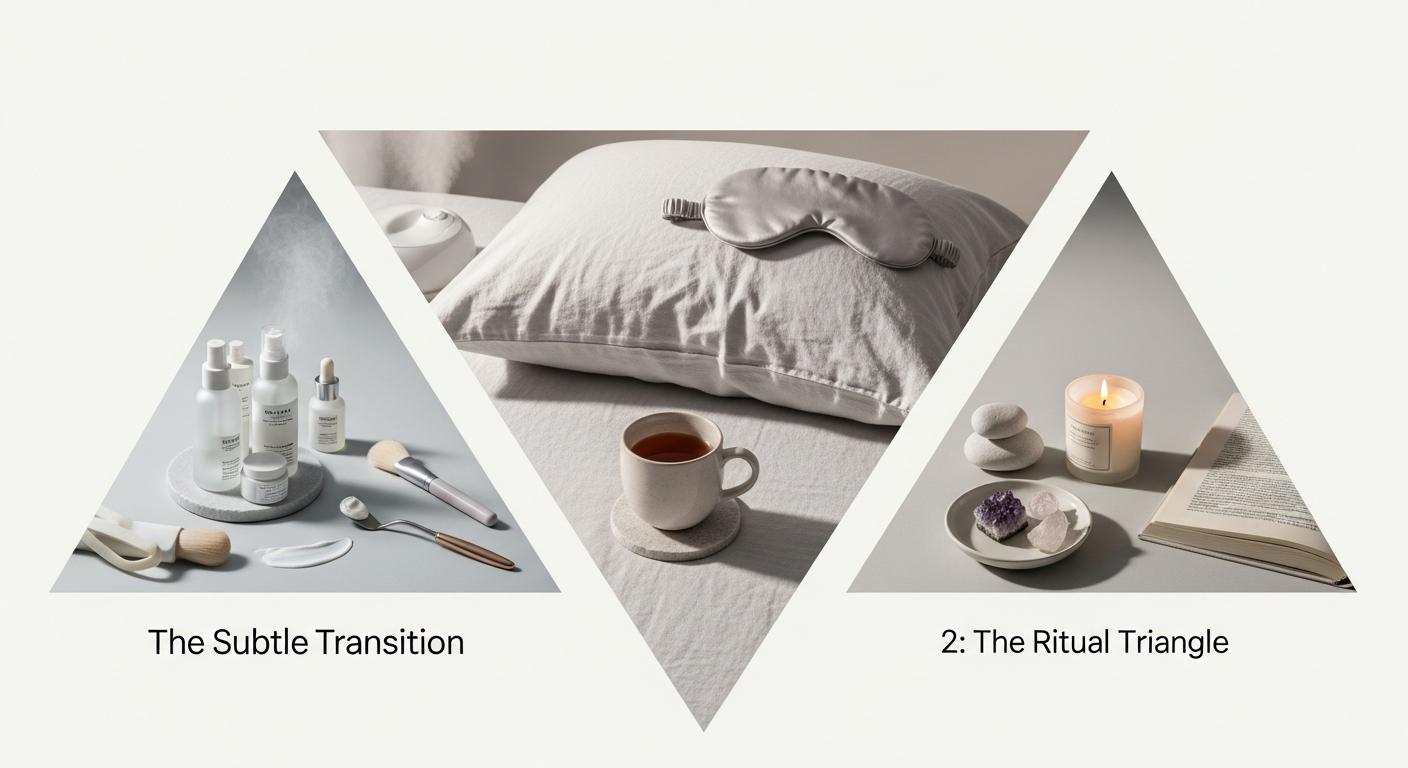
Sleep, Stress, and Skin: The Wellness Triangle
How sleep quality, stress levels, and skin health form a deeply connected triangle, and why improving one often improves the other two.
Stay Rooted
Weekly reads on whole-food nutrition, movement, and the K-Beauty routines we actually use. No spam, no fluff. just things worth reading.